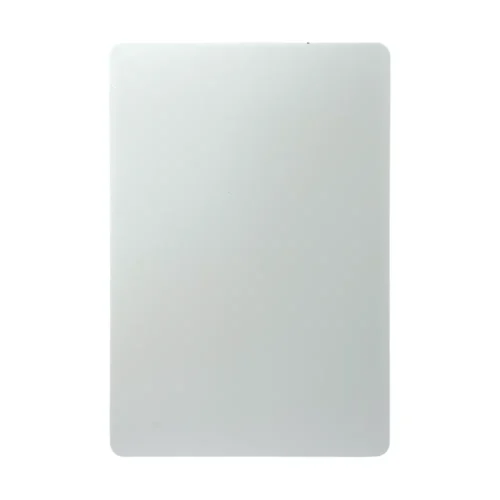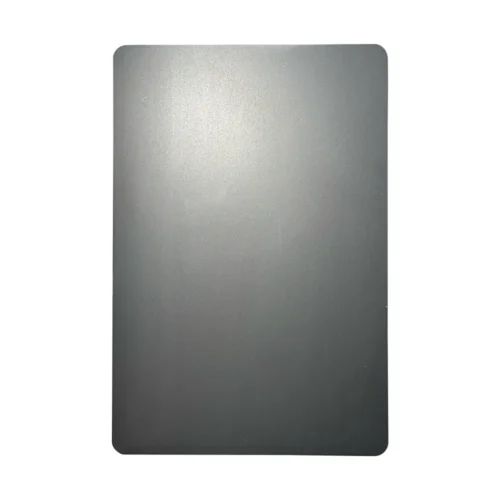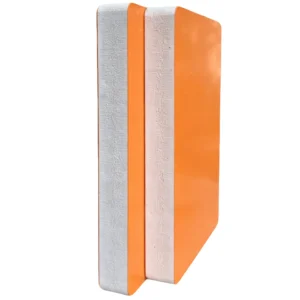
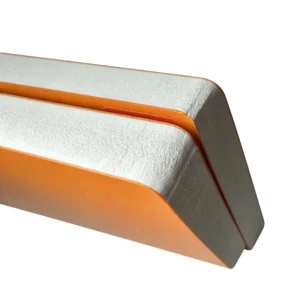
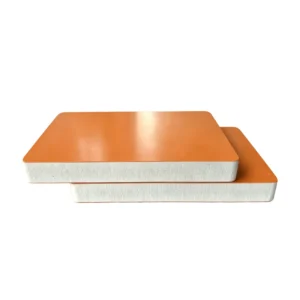
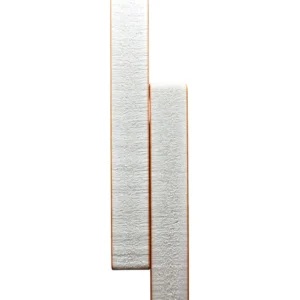
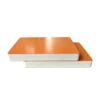
Co-extruded PVC Foam Board
Top Celuka Foam Board Manufacturer in China
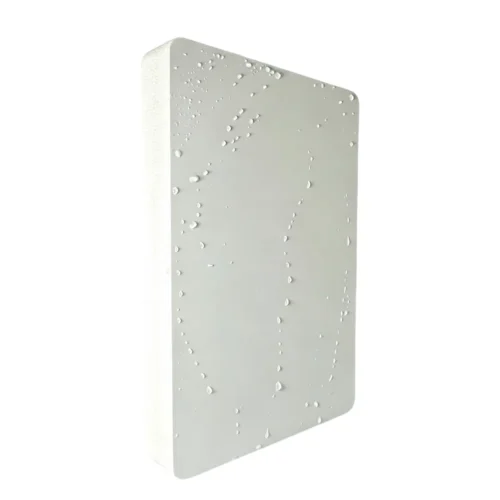
Our co-extruded PVC foam board combines a rigid solid PVC surface with a lightweight foamed core, delivering outstanding advantages in surface hardness, decorative finish, weather resistance, and post-processing performance – making it an ideal choice for high-end applications.

2002
39,000
26,800m²
60+
Three Common Quality Risks of PVC Co-extruded Foam Boards
Risk 1: UV Print Peeling / Heat Transfer Delamination – Poor Surface Flatness Leads to Post-Processing Failure
Root Cause:
When the board surface lacks sufficient flatness or contains microscopic pores, UV ink cannot adhere effectively. Unlike conventional solvent-based inks, UV-curable inks offer fast drying and better environmental performance, but they have limited penetration into the substrate. Sometimes cleaning the substrate with alcohol improves adhesion – but if the board surface is inherently uneven, cleaning makes no difference.
Our Solution:
The surface of our co-extruded foam board is made of non-foamed PVC resin, offering high overall density, extremely low porosity, and excellent surface flatness – ideal for UV printing and lamination. The non-foamed PVC skin gives a decisive advantage for applications demanding high surface quality.
Risk 2: CNC Routing Delamination – Insufficient Interfacial Bonding Between Co-extruded Skin and Core
Root Cause:
Improper manifold flow channel design in the co-extrusion process. The rigid co-extruded material and the foamed material do not flow sufficiently within the manifold and die, resulting in weak interlayer adhesion. When co-extrusion process control is inadequate, insufficient bonding strength between layers can occur.
Our Solution:
Shine uses high-precision temperature-controlled parallel twin-screw and conical twin-screw extruders, coupled with an optimized co-extrusion manifold flow channel design. The upper die lip gap is adjustable, and flow restrictor bars are installed inside the die to coordinate the output ratio between the micro-foaming main extruder and the co-extruder. This ensures uniform flow and thorough melt fusion of both materials inside the die, maximizing interlayer bonding stability. Each batch undergoes interlayer adhesion testing to verify complete fusion between the co-extruded skin and the core. We also provide sample cutouts to validate machining compatibility before bulk production.
Risk 3: Swelling and Delamination After Long-Term Exposure to Humid Environments – Insufficient Co-extruded Skin Thickness Compromises Waterproofing
Root Cause:
Low-cost co-extruded boards reduce the co-extruded skin thickness to below 0.1mm to cut costs. Alternatively, microscopic air bubbles or dust become trapped between the two layers during production, destroying interface integrity. The core value of the co-extrusion process lies in the dense skin acting as the first waterproof barrier. Multi-layer co-extrusion technology creates a compact protective layer on the board surface, enhancing moisture resistance.
Our Solution:
Shine controls the co-extruded skin thickness at 0.3–0.5mm, with online real-time thickness monitoring. Our boards offer excellent moisture resistance suitable for most humid environments, combined with good impact resistance. For wet applications, we recommend a higher-density co-extruded board (0.65+ g/cm³ version) to further reduce water absorption. Water absorption is kept low – far below ordinary boards. The closed-cell foamed core together with the dense skin delivers outstanding moisture resistance and dimensional stability under normal service conditions.
Co-extrusion Foam Process Principle: Dual Extruder Feeding with Distribution Manifold
The Physical Process from Melt to “Hard-Skin, Soft-Core” Structure
The co-extrusion foam process utilizes two or more extruders – a main extruder that conveys the foaming-agent-containing core material, and a co-extruder that conveys the non-foaming skin material. These two material streams are merged through a distribution manifold into the same die for composite extrusion. The flow channels inside the co-extrusion manifold are specially optimized to ensure uniform skin wrapping around the core. The upper die lip gap is adjustable, and flow restrictor bars are installed inside the die to coordinate and control the output rates of the micro-foaming main extruder and the co-extruder.
Typical Structure of Co-extruded Foam Board
Inner and outer skins: Rigid PVC (non‑foamed, approx. 10‑15%)
Core: Foamed PVC (approx. 85‑90%)
Co-extruded Foam Board Sectional Architecture & Function Allocation
| Structure Layer | Percentage | Material Composition | Function |
|---|---|---|---|
| Top Skin | 5–8% | Rigid PVC (with pigments / UVA / HALS / light stabilizers) | High gloss, high hardness, scratch resistance, UV resistance, chemical resistance |
| Bonding / Tie Layer | ~2% | Rigid PVC (with compatibilizer) | Excellent interlayer adhesion |
| Foamed Core | 85–90% | PVC + foaming agent + stabilizer + filler | Lightweight, thermal insulation, sound absorption, impact resistance |
| Bottom Skin | 5–8% | Rigid PVC (same or simplified formulation as top skin) | Backside protection, warpage resistance, moisture resistance |
Notes:
UVA: Ultraviolet absorber
HALS: Hindered amine light stabilizer
The tie layer ensures strong bonding between the rigid skin and the foamed core, preventing delamination.
Bottom skin formulation can be adjusted for cost optimization while maintaining performance.
Key Structural Advantages
No Painting, No Lamination – The surface color and texture are fully formed during the extrusion process, eliminating the need for secondary spraying or film lamination. Colorants or wood-grain masterbatches are added directly at the feeding stage to achieve through-body coloring. For decorative textures such as wood grain, stone pattern, or brushed metal, the skin material is combined with a specific embossing roller to create the finish in a single pass – reducing the risk of blistering, wrinkling, and color mismatch associated with post-extrusion lamination, while fundamentally minimizing delamination risks.
Anti-Delamination – Both materials are compounded through a co-extrusion manifold within the same die, creating a molecular-level fusion between the skin and the core in a high-temperature molten state – rather than relying on adhesives. The use of high-bond-strength materials for the core effectively solves the problem of cracking or delamination between the surface and middle layers. As a result, no delamination occurs even under humidity-heat cycling or long-term outdoor use.
Formulation Flexibility – The skin layer can be customized for different target applications with specific functions: high-gloss / matte, antibacterial / anti-mold, UV-resistant / weather-resistant, high hardness / scratch-resistant – while the foamed core remains lightweight and cost-effective. Overall cost is kept under control.
Co-extruded Foam Board Product Series & Technical Specifications
High-Gloss Mirror Co-extruded Foam Board (Premium Kitchen Cabinets / Furniture Panels)
| Parameter | Specification Range | Typical Value | Test Standard |
|---|---|---|---|
| Density | 0.60–0.80 g/cm³ | 0.70 g/cm³ | GB/T 6343 |
| Thickness | 5–25 mm | 16/18 mm | GB/T 6342 |
| Surface Hardness | Shore D68–72 | Shore D70 | GB/T 2411 |
| Tensile Strength | ≥22 MPa | 25 MPa | GB/T 1040 |
| Flexural Strength | ≥28 MPa | 32 MPa | GB/T 9341 |
| Screw Holding Force | ≥1000 N | 1150 N | QB/T 2463.3-2018 |
| Vicat Softening Temperature | ≥73°C | 75°C | GB/T 1633 |
| Water Absorption | ≤0.8% | 0.5% | GB/T 8810 |
| Flame Retardancy | B1 / B2 optional (by formulation) | B1 / OI≥32% | GB 8624-2012 |
Gloss Level: ≥90 GU (60° gloss meter) – mirror-like reflective finish
Recommended applications: Premium cabinet doors, wardrobe panels, bathroom vanity doors, furniture surfaces, interior decoration
Matte Wear-Resistant Co-extruded Foam Board (Scratch-Resistant Enhanced)
| Parameter | Specification Range | Typical Value | Test Standard |
|---|---|---|---|
| Density | 0.55–0.75 g/cm³ | 0.65 g/cm³ | GB/T 6343 |
| Thickness | 5–25 mm | 16/18 mm | GB/T 6342 |
| Surface Hardness | Shore D65–70 | Shore D68 | GB/T 2411 |
| Flexural Strength | ≥25 MPa | 28 MPa | GB/T 9341 |
| Scratch Resistance | Through-body color / embossed texture | No scratch at ≤2N | Pencil hardness method |
| Flame Retardancy | B1 optional | B1 / OI≥32% | GB 8624-2012 |
Gloss Level: 10–40 GU (60° gloss meter) – soft matte finish
Recommended applications: Public facility panels, furniture worktops, children’s furniture, office building decoration
Weather-Resistant Co-extruded Foam Board (Outdoor Signage / Building Facades)
| Parameter | Specification Range | Typical Value | Test Standard |
|---|---|---|---|
| Density | 0.55–0.75 g/cm³ | 0.65 g/cm³ | GB/T 6343 |
| Thickness | 4–20 mm | 8 / 10 mm | GB/T 6342 |
| UV Resistance Rating | Grade 4 | ΔE ≤ 3 | ISO 4892-2 (1000h Xenon lamp) |
| Water Absorption | ≤1.0% | 0.6% | GB/T 8810 |
| Flame Retardancy | Class B1 | OI ≥ 32% | GB 8624-2012 |
| Temperature Range | –20°C to +70°C | – | GB/T 1633 |
Recommended applications: Outdoor billboards, building facade cladding, traffic signs
Decorative Texture Co-extruded Foam Board (Wood Grain / Stone Grain / Brushed Metal)
| Parameter | Specification Range | Typical Value | Test Standard |
|---|---|---|---|
| Density | 0.55–0.80 g/cm³ | 0.70 g/cm³ | GB/T 6343 |
| Thickness | 3–20 mm | 12 / 16 mm | GB/T 6342 |
| Surface Hardness | Direct embossing roller | Wood grain / stone / brushed metal | – |
| Flexural Strength | ≥25 MPa | 28 MPa | GB/T 9341 |
| Water Absorption | ≤0.8% | 0.5% | GB/T 8810 |
Recommended applications: Interior decorative wall panels, furniture panels, commercial space decoration
Surface Embossed Textures – Wood Grain / Stone Grain / Brushed Metal Directly Formed
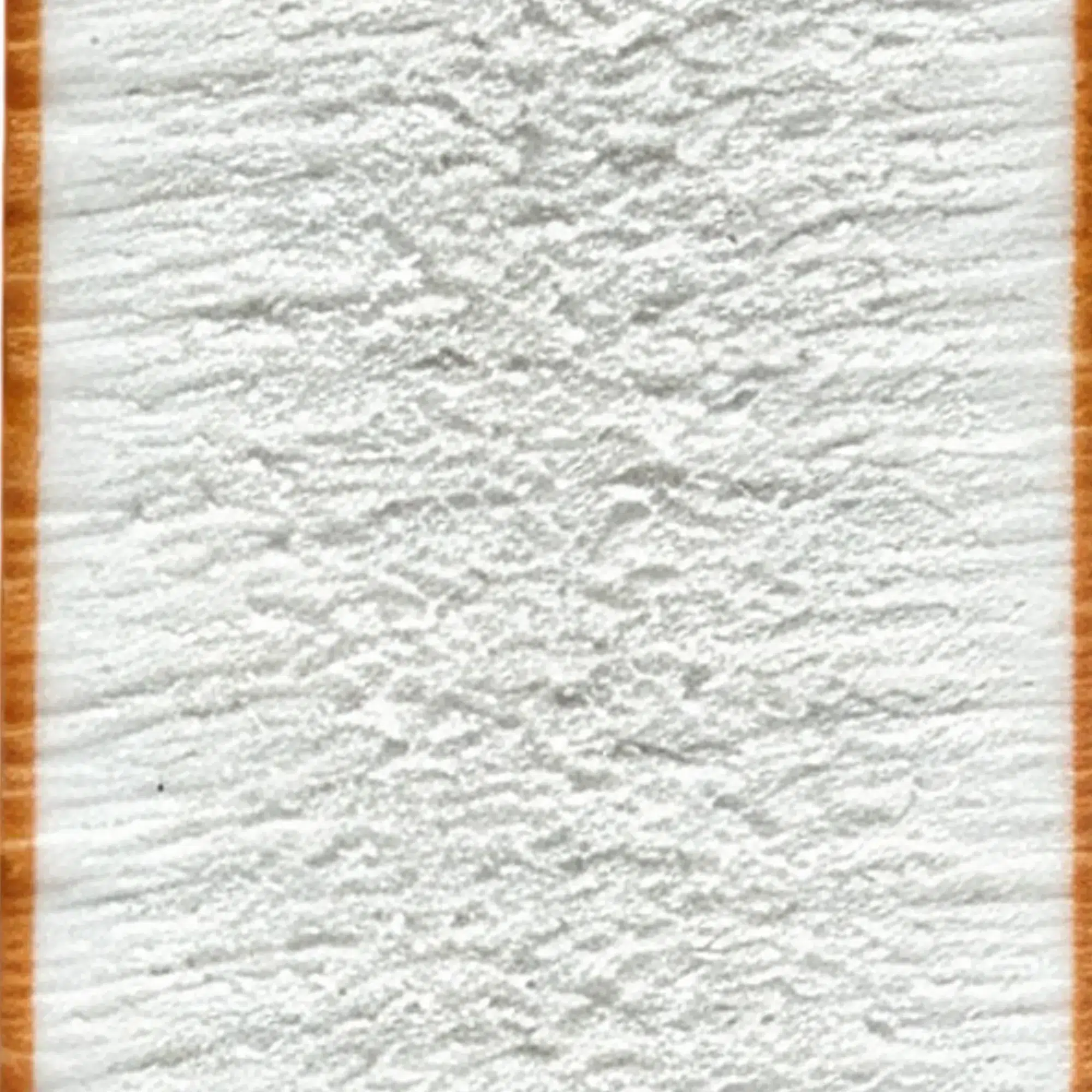
Decorative texture co-extruded boards represent an extension of co-extrusion technology into the decorative field. By matching the skin material with a specific embossing roller, wood grain, stone grain, brushed metal, and other decorative textures can be formed in a single pass – eliminating the need for a separate lamination process.
Compared with traditional laminated boards, the core advantages of co-extruded embossed textures are:
Solid PVC surface – The texture is three-dimensional and truly tactile, unlike a thin film.
Through-body color – The background color is integrated throughout the skin layer. Even with light surface wear, the base color remains consistent with the surface, never revealing a white substrate.
Product Advantages
Excellent Surface Finish
High-gloss surfaces deliver a mirror-like clarity, while matte surfaces are smooth and warm to the touch – comparable to premium painted finishes, without the need for secondary spraying.
Weather Resistance
UV-resistant formulation prevents yellowing or chalking, even after long-term outdoor exposure.
Scratch & Wear Resistance
The surface hardness withstands daily abrasion. It is also fingerprint-resistant and easy to clean.
Decorative Surface Effects
Wood grain, stone grain, brushed metal, and other decorative textures can be achieved directly – no additional lamination process required.
Why Global Buyers Choose Shine
Reliable manufacturing support for distributors, manufacturers and industrial buyers.


Factory Direct Sales
Seamless connection from our factory to you. Eliminate intermediaries and maximize your cost efficiency.
Fast Quotation
Professional quotations and technical responses within 12 hours.
Stable Product Quality
Consistent density, thickness and surface performance for industrial processing.
Export Experience
Our products are exported to global markets in North America, South America, Europe, and Oceania.
Certified Manufacturing
The production management system is ISO 9001 certified.
Low MOQ Support
Flexible supply solutions for distributors and project-based purchasing.
Trusted by Customers Worldwide
From factory visits to project communication, we value stable and practical business relationships.


Industry Application Scenarios & Selection Matrix
High-End Cabinet & Furniture Panels – The Largest Application Area for Co-extruded Boards
In high-end kitchen cabinet doors, wardrobe panels, and bathroom vanity doors, co-extruded foam boards are replacing traditional painted boards and laminated boards. Key drivers include: High surface hardness (scratch-resistant – a key leaves no mark) • No painting or lamination required (ready-to-use upon shipment – zero VOC, significantly lower delamination risk) • Excellent moisture resistance (dimensionally stable in bathroom/kitchen wet areas) • High screw holding force (reliable hardware fastening – no thread stripping even after repeated assembly) • Formaldehyde-free (suitable for EU exports and residential interiors)
| Application Scenario | Recommended Board Type | Recommended Thickness | Key Advantages |
|---|---|---|---|
| Kitchen cabinet doors | High-gloss co-extruded board / wood grain co-extruded board | 18 mm | High hardness resists scratches; grease-resistant and easy to clean |
| Bathroom vanities | High-gloss co-extruded board | 16–18 mm | Moisture-proof, water-resistant, dimensionally stable, no mold growth |
| Wardrobe panels | High-gloss / matte co-extruded board | 18 mm | Resists daily scratches; uniform color – no batch variation |
| Office furniture | Matte co-extruded board | 12–18 mm | Comfortable surface feel; fingerprint-resistant; withstands daily wear |
| Commercial display cabinets | High-gloss co-extruded board | 12–16 mm | Mirror finish enhances product presentation; easy to clean |
Building Facade Decoration
The core challenge for building facade materials is maintaining consistent appearance over years of exposure to sun, rain, temperature and humidity fluctuations, air pollution, and mechanical impact. Our co-extruded foam board incorporates a dual light stabilization system (UVA + HALS) in the outer layer. Tested under ISO 4892-2 Xenon arc aging standard, it achieves a color difference ΔE ≤ 3.0 after 1,000 hours of irradiation – ensuring long‑term color stability in outdoor environments. The B1‑class flame retardancy (oxygen index ≥ 32%) meets strict fire safety requirements for high‑rise buildings and facade applications.
| Application Scenario | Recommended Board Type | Recommended Thickness | Key Advantages |
|---|---|---|---|
| Building facade cladding | Weather‑resistant co‑extruded board (wood grain / stone grain) | 10–20 mm | UV resistant, long‑lasting color, high weather resistance |
| Curtain wall decorative panels | Weather‑resistant high‑gloss co‑extruded board | 8–15 mm | Weather‑resistant, paint‑free, lightweight, easy to install, B1 flame retardant |
| Eaves / window frame decoration | Weather‑resistant wood‑grain co‑extruded board | 8–12 mm | Thermoformable, anti‑aging weather‑resistant formulation, durable color |
| Botanical signage / plant labels | Weather‑resistant outdoor signage co‑extruded board | 5–10 mm | Weathering grade ≥4, resistant to water exposure and microbial aging |
Interior Decorative Wall Panels & Commercial Spaces
The core requirements for interior decorative panels include surface aesthetics, VOC emissions compliance, installation efficiency, and long‑term durability. Co-extruded boards combine both “decoration” and “protection” in a single panel, making them an increasingly popular choice for architectural interiors and commercial space fit‑outs.
| Application Scenario | Recommended Board Type | Recommended Thickness | Key Advantages |
|---|---|---|---|
| Interior wall panels / feature walls | Matte / wood grain / fabric grain co‑extruded board | 5–12 mm | Zero VOC – interior friendly, rich texture, easy to install |
| Hotel / shopping mall wall cladding | High‑gloss / stone grain co‑extruded board | 8–15 mm | Premium mirror finish, impact‑resistant and easy to maintain, B1 fire rated |
| Hospital / school partitions | Antibacterial co‑extruded board | 8–12 mm | Meets antibacterial and low‑VOC requirements; hygienic, mold‑resistant surface |
| Elevator interior cladding | Brushed metal co‑extruded board | 8–12 mm | Fingerprint‑resistant, resists daily scratches, texture close to premium stainless steel |
Advertising Signage & Exhibition Displays
The advertising and exhibition industry requires materials that combine high print surface quality, lightweight handling, weather and scratch resistance, and dimensional stability. The high‑hardness skin of co‑extruded boards resists scratches and impacts during handling and transportation. When used as a UV print substrate, it requires no primer, and the adhesion of UV ink to the surface is superior to that of common coated surfaces. Tested under ISO 4892‑2 Xenon arc aging, it is suitable for outdoor billboards and long‑term exhibition signage.
| Application Scenario | Recommended Board Type | Recommended Thickness | Key Advantages |
|---|---|---|---|
| Outdoor billboards | Weather‑resistant co‑extruded board | 5–15 mm | High UV resistance; no yellowing after years of outdoor exposure |
| UV print display boards | High‑gloss / matte co‑extruded board | 3–10 mm | Rigid PVC skin offers excellent ink adhesion; no primer required |
| Exhibition booth construction | Lightweight co‑extruded board | 5–15 mm | Light and easy to assemble; ready‑to‑use surface; withstands handling wear |
| Lightbox panels | Translucent co‑extruded board | 3–8 mm | Uniform light diffusion; excellent UV print results |
Transportation Interiors
Transportation interior applications demand lightweight materials with strict flame retardancy compliance, dimensional stability, and surface resistance to dirt and easy cleaning. The high‑hardness skin of co‑extruded board perfectly meets these requirements – wear‑resistant, anti‑fingerprint, easy to wipe clean, and B1 flame retardant (oxygen index ≥ 32%) compliant with vehicle interior fire safety regulations.
| Application Scenario | Recommended Board Type | Recommended Thickness | Key Advantages |
|---|---|---|---|
| RV side walls / interiors | Matte / wood grain co‑extruded board | 5–15 mm | Lightweight for fuel efficiency; B1 flame retardant; comfortable surface feel |
| Trailer liners | Matte co‑extruded board | 5–10 mm | Wear and scratch resistant; easy to clean and maintain |
| Marine vessel partitions | Weather‑resistant co‑extruded board | 8–15 mm | Low water absorption; salt spray resistant; dimensionally stable |
| Bus / subway interiors | Flame‑retardant high‑hardness co‑extruded board | 8–15 mm | B1 flame retardant + scratch resistance; withstands daily wear and tear |
Can’t find an exact match among the six applications above?
Simply tell us about your project or application requirements, and the Shine engineering team will evaluate your needs and provide a customized initial solution.
Performance Comparison
Co-extruded Board vs Painted Board: A Shift Toward the “Paint-Free” Era
The surface layer of Shine co-extruded foam board is made of rigid PVC material. This hardness is an inherent property of the material itself and does not degrade over time with use. In addition, the surface decorative finish is completed during the extrusion process, eliminating the need for secondary painting.
Traditional painted boards have long dominated the high-end cabinetry and furniture sector. However, they come with three unavoidable pain points:
1. Easily scratched: The surface of a painted door panel is an organic coating. Even high-hardness formulations may show reasonable scratch resistance initially, but under friction from hard objects, scratches are likely to appear.
2. Long Production Cycle – The process involves multiple steps: primer → sanding → topcoat → polishing. Each coating requires hours or even days of drying. Total lead time is measured in weeks.
3. VOC Emissions & Environmental Pressure – Solvent-based paints release VOCs during application. As environmental regulations tighten worldwide, compliance costs for painted boards continue to rise.
Comparison Data: Shine Co-extruded Foam Board vs. Traditional Painted Board (MDF + Polyester Paint)
| Comparison Dimension | Shine Co-extruded Foam Board | Traditional Painted Board (MDF + Polyester Paint) | Difference / Conclusion |
|---|---|---|---|
| Surface Hardness | High-gloss co-extruded board / wood grain co-extruded board | 18 mm | High hardness resists scratches; grease-resistant and easy to clean |
| Scratch Resistance | No marks from key scratching | Easily scratched; coating damage is irreparable | Significantly superior to traditional polyester painted surfaces |
| Production Cycle | In-line extrusion, single-pass forming | Spraying + drying, measured in weeks | Co-extruded board eliminates need for a paint shop |
| VOC Emissions | Zero organic volatiles | VOCs released during application | Co-extruded board is paint-free and environmentally compliant |
| Color Consistency | Controlled by masterbatch feeding; stable batch-to-batch | Affected by spraying parameters per batch | Co-extruded board offers higher batch-to-batch consistency |
| Environmental Limitations | Dimensionally stable in humid conditions | Edges prone to swelling in humid environments | Co-extruded board provides superior moisture resistance |
| Delamination Risk | Melt-fused interlayer bonding; significantly reduced delamination risk | Coating adhesion depends on process conditions | Co-extruded board significantly reduces delamination risk |
Co-extruded Board vs. PVC Laminated Board: Eliminating Delamination and Blistering
The skin and core of Shine co-extruded foam board are melt-fused within the same die – a molecular-level bond. The two materials merge in a high-temperature molten state, forming a single integrated structure. There is no adhesive to age or fail, fundamentally eliminating the risk of delamination. Furthermore, as a single-material product (all PVC-based), co-extruded boards are easier to grind and re-pelletize in recycling systems. Laminated boards are widely used in building decoration and furniture manufacturing, yet they come with three long-standing pain points:
1. Adhesive Degradation in Humid Environments – The lamination layer is bonded to the substrate with adhesives. In warm, humid conditions, the adhesive ages and fails, causing film blistering, edge warping, and corner delamination.
2. High Edge Banding Requirements – The edges of laminated boards must be perfectly sealed. Once the edge banding is damaged, moisture intrudes and the film begins to peel off extensively from the edges.
3. Difficult Recycling – Laminated boards contain adhesives and multiple layers, making them incompatible with single‑material recycling streams.
Comparison Data: Shine Co-extruded Foam Board vs. PVC Laminated Board
| Comparison Dimension | Shine Co-extruded Foam Board | PVC Laminated Board | Conclusion |
|---|---|---|---|
| Surface Adhesion | Molecular‑level melt fusion | Adhesive bonding | Co-extruded board significantly reduces delamination risk |
| Heat & Humidity Resistance | Water absorption ≤0.8%, dimensionally stable | Adhesive ages easily under high temperature and humidity | Co-extruded board is more suitable for humid environments |
| Edge Reliability | No delamination risk after edge banding | Once edge banding is damaged, film peels extensively from edges | Co-extruded board offers higher processing tolerance |
| Surface Hardness | Shore D68–72 | Depends on film material; most are below Shore D50 | Co-extruded board has significantly higher hardness |
| Recyclability | Single‑material PVC system | Contains adhesive and multi‑layer film mix | Co-extruded board is easier to recycle |
Comparison of Three PVC Foam Board Processes
Free-Foam Board vs. Celuka Foam Board vs. Co-extruded Foam Board – Although they all belong to the PVC foam board family and share a “dense skin + porous core” structure, their manufacturing methods and functional positioning are fundamentally different. To assist procurement professionals and technical engineers in making informed decisions when preparing sourcing documents, the table below provides a systematic comparison of the three main PVC foam board manufacturing processes on the market – covering everything from equipment configuration to final performance characteristics.
Comparison Data: Free-Foam vs. Celuka vs. Co-extruded PVC Foam Boards
| Dimension | Free-Foam Board | Celuka Board | Co-extruded Board |
|---|---|---|---|
| Extruder Configuration | Single extruder | Single extruder (with special die) | Dual extruders (main + co-extruder) |
| Core Technology | Material expands freely after leaving the die; fine cellular structure forms naturally on the surface | Die wall rapid cooling forms a hard skin layer | Distribution manifold merges main and co-extruder material streams; rigid skin encapsulates foamed core in one pass |
| Surface Layer Structure | Micro-cellular surface | Thin hard skin | Solid PVC co-extruded layer |
| Surface Hardness (Shore D) | 35–45 | 45–65 | 65–80 |
| Raw Material Cost | Baseline | Higher (stabilizer system) | Highest (dual formulation for main & co-extruder) |
| Waterproof Mechanism | Closed-cell core – low water absorption | Hard skin + closed-cell core – dual barrier | Thick rigid skin + closed-cell core – triple barrier |
| Price Positioning | Economy | Mid-range | Mid-to-high end |
| Typical Customers | Signage fabricators, event & exhibition builders, model makers | Furniture manufacturers, bathroom vanity brands, interior decoration companies | Premium furniture brands, architectural cladding contractors, high-end signage & display companies |
Why Co-extruded Foam Boards Achieve Higher Surface Hardness Than Higher‑Density Celuka Boards
Conclusion 1 – The determining factor: Surface hardness is not determined by the overall board density, but by the treatment of the surface layer. Take a 0.5 g/cm³ free‑foam board and compare it with a 0.4 g/cm³ Celuka board – the 0.4 Celuka board will have significantly higher surface hardness. By the same logic, a co-extruded board can outperform a higher‑density Celuka board because its surface is made of non‑foamed rigid PVC with higher density and greater thickness, whereas the hard skin thickness of a Celuka board is limited by the physical constraints of the Celuka process.
Conclusion 2 – Protection hierarchy: Once the surface of a Celuka board is scratched through to the core, the waterproof barrier fails. With a co-extruded board, even if the surface is worn, the thick rigid skin continues to provide lasting protection. For high‑end kitchen and bathroom furniture, as well as premium commercial spaces, this difference directly determines product lifespan and brand reputation.
Selection Guide
Cost‑driven projects (large‑volume signage, quick‑assembly exhibition stands) → Free‑foam board Lowest initial purchase cost, lightweight, easy to process – sufficient for low‑intensity, short‑cycle applications.
Structural strength‑focused projects (bathroom vanities, cabinets, transportation facilities) → Celuka board Above 0.55 g/cm³, screw holding force and water resistance meet structural requirements; good cost‑performance.
Premium appearance & overall performance (high‑end kitchen/bathroom furniture, luxury commercial spaces, premium signage) → Co‑extruded board Highest level of surface hardness, flatness, post‑processing compatibility, and delamination resistance. Lowest total cost of ownership. These projects prioritize brand value and user satisfaction over board unit price.
Need high‑end decorative finishes (high‑gloss mirror, wood grain, stone grain) while eliminating post‑spraying/lamination → Co‑extruded board
Need a standard smooth surface with wide density range, sufficient screw holding force but not ultra‑high hardness → Celuka board
Need outdoor signage / building facades with clear UV and color stability requirements → Weather‑resistant co‑extruded board
From inquiry to delivery — a transparent six‑step service process with predictable lead times
PVC foam board lead time is a procurement variable that most suppliers are reluctant to disclose — meaning the buyer bears all the time risk. Shine publishes a standard lead time hierarchy and a clear process, enabling buyers to plan shipments rather than rush at the last moment.
STEP 01 – Inquiry & Requirement Confirmation
Provide thickness, size, density, quantity, and application description. Our technical sales team will recommend the most suitable product type.
STEP 02 – Product Recommendation & Quotation
The sales team recommends the appropriate PVC foam board solution and provides a detailed quotation including product specifications, unit price, packaging method, and estimated lead time.
STEP 03 – Free Sample Confirmation
Before mass production, free sample boards and Technical Data Sheets (TDS) can be provided for customer testing. Shipping costs for samples are borne by the buyer. Custom sample costs will be deducted from the first order.
STEP 04 – Production & Quality Inspection
Production is arranged after order confirmation, with strict quality control throughout. Standard products are shipped 7–14 days after receipt of deposit; rush orders can be shipped in as fast as 3–5 days.
STEP 05 – Secure Packaging & International Shipping
Four packaging options are available: PE bag, carton, pallet, or wooden case. The optimal protection solution is selected based on the customer’s shipping requirements. Worldwide international shipping is supported.
STEP 06 – After‑Sales Technical Support
Ongoing technical and order support is provided after product delivery. Any issues regarding processing, installation, or product performance will be followed up by our professional team.
Lead Time Reference
| Lead Time Tier | Lead Time Tier Scope | Lead time (ex-works) |
|---|---|---|
| Standard | Standard catalog sizes | 7–14 days |
| Express | Standard specs, expedited scheduling | 3–5 days |
| Custom | Custom sizes / special density | 14–60 days |
Lead times are subject to order quantity, specifications, and customization requirements. Please confirm your priority requirements in the request for quotation.
Payment Methods Supported
| T/T (Telegraphic Transfer) – Primary method Elegraphic transfer (T/T), 30% deposit to confirm the order, balance paid before shipment based on product pictures or packing list. |
| L/C (Letter of Credit) Available for qualified long‑term cooperation clients and large orders. Must be confirmed in advance.Payment terms may be gradually adjusted based on cooperation history and order value, subject to mutual agreement. |
| Flexible Payment Options Other payment methods such as Alipay are also supported depending on order requirements. Please confirm when requesting a quotation. |
Quality Certification and Compliance
The following certifications and standards represent the core quality and compliance frameworks followed by Shine’s PVC foam board products. Each certification has its specific scope of application. Buyers are advised to verify suitability based on their end use and target market, rather than assuming universal applicability from a certification label alone. Shine provides batch‑level quality test reports, not generic certificate numbers.
ISO 9001 – Quality Management System
SGS Third‑Party Testing
RoHS / REACH – Environmental Compliance
B1 / B2 Flame Retardancy Ratings
EU Material Standards
Packaging Solutions
Professional Export Packaging Protection
PE Bag Packing
Moisture-proof and dust-proof, lowest cost.
Carton Packing
Protects edges and corners, suitable for loose/less-than-full-pallet transport.

Pallet Packing
Standard export pallet, fork-lift friendly, meets international shipping requirements.
Wooden Crate Packing
High-strength protection, suitable for fragile or high-value orders.
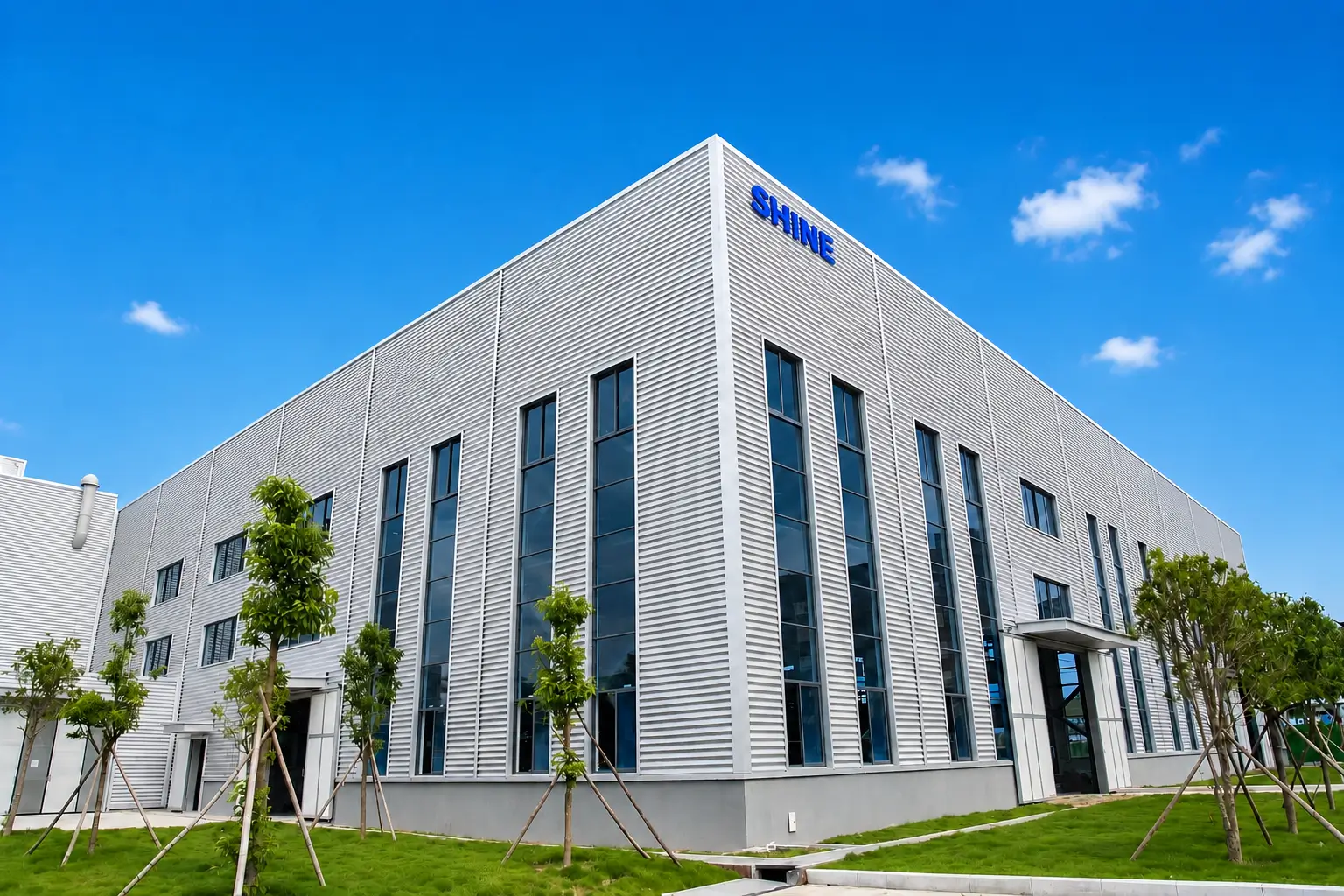
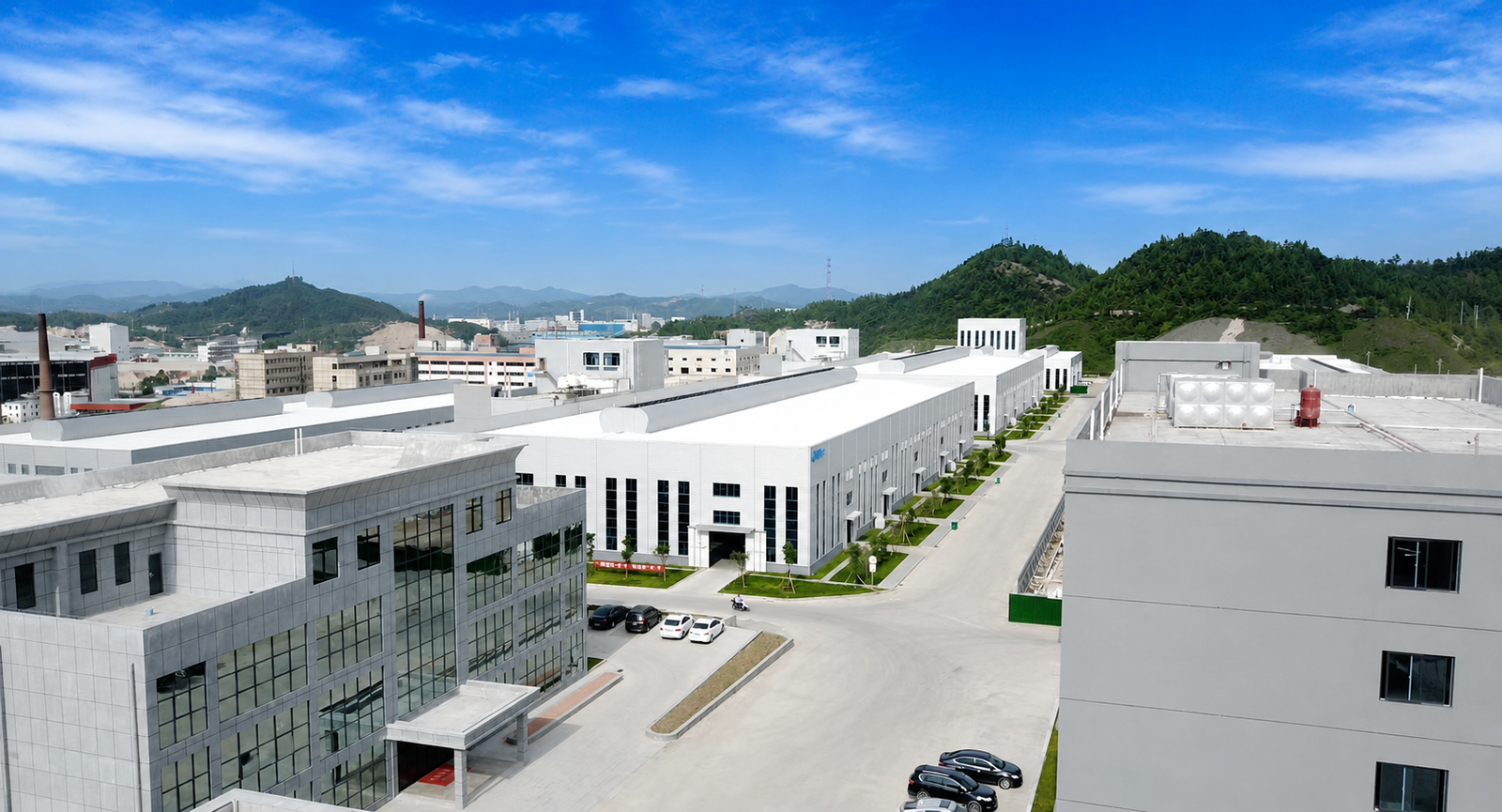
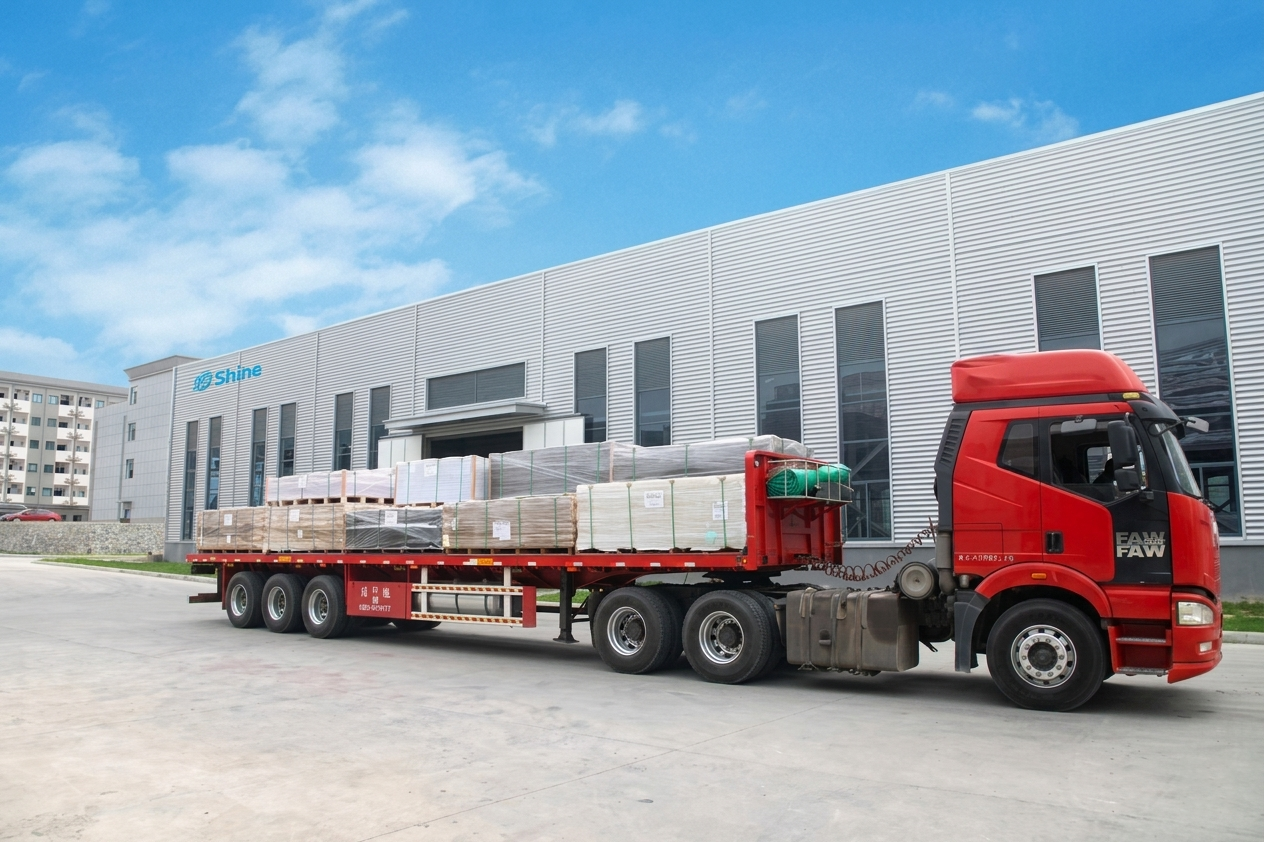
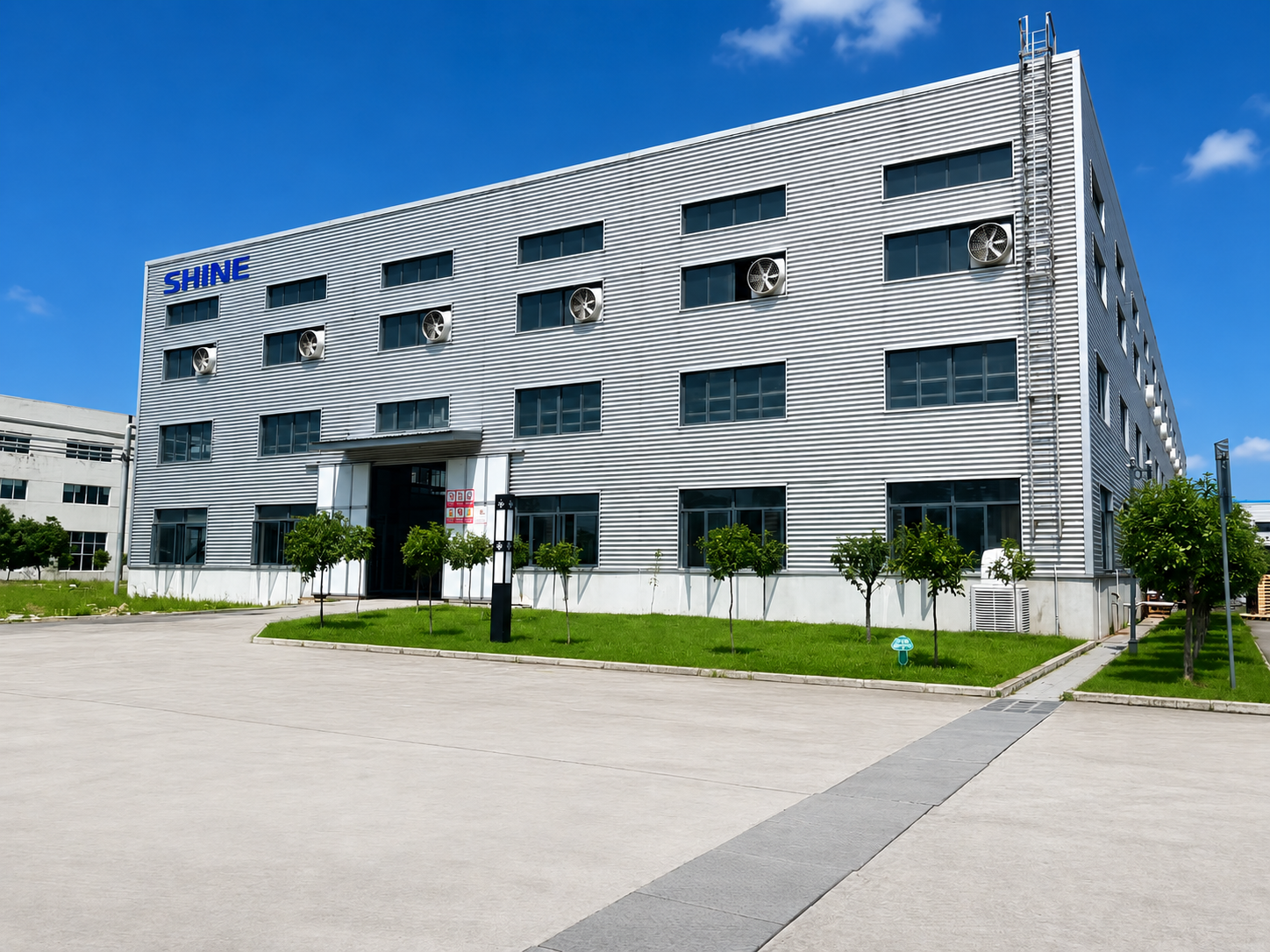
Shine Manufacturing Facility


PVC Co-Extruded Foam Board Price
| Factors | Impact on Quotation |
|---|---|
| Density | Primary driver. Low density (0.35–0.45 g/cm³) and high density (0.6–0.8 g/cm³) fall into different price tiers. The amount of blowing agent determines raw material costs. |
| Thickness | Secondary factor. Thin boards (3–5 mm) have high output volume and relatively stable prices; thick boards (15–30 mm) require higher raw material input and lower production capacity, resulting in higher prices. |
| Fire rating | Class B1 formulation requires more flame retardant additives than Class B2, leading to higher cost. |
| Color | White is the standard mass-production color. Black and other colors incur additional costs for pigment blending and color change cleaning. |
| Sheet sizes | Standard 1220×2440 mm is kept in continuous stock. OEM custom sizes require additional setup fees and a minimum guaranteed production run per order. |
| Required certifications | Basic ISO 9001 is included. UL94 V-0 third-party certification, REACH declaration, RoHS report, and SGS aging resistance test each require additional documentation preparation and batch testing/certification fees. |
| Order quantity (MOQ) | Standard in-stock products have a relatively low MOQ; custom products (custom size, custom color, custom density) have higher MOQ requirements. |
| Customization requirements | Special colors, special surface finishes (glossy/matte), film lamination, and marked packaging incur additional surcharges. |
| Packaging method | Four packaging options – PE bag / carton / pallet / wooden case – with progressively increasing costs. |
Please request a quotation from Shine based on your tariff information, density, thickness, modification type, certification scope, and order quantity. Upon receipt of all tariff information, we will provide board solution recommendations along with estimated delivery times within 24 hours.
Frequently Asked Questions
Answers to frequently asked questions about Shine products and services.
Our team of experts is ready.
Shine can provide sample boards and technical data sheets free of charge for customer testing and evaluation. Please fill out the inquiry form, or directly add us on WhatsApp at +86 15634000035 to let us know your specific requirements, we will recommend the most suitable solution for you within 12 hours.