

PVC Photo Album Inner Sheet
Industrial-Grade PVC Self-Adhesive Photo Album Pages Solutions Manufacturer
Self-adhesive PVC photo album inner sheets in foamed and solid PVC, with acid-free adhesive, three release liner options, and ROHS and REACH compliance. Factory direct sales, with samples available. Our factory is located in Jinan, Shandong Province, and is ISO 9001 certified.
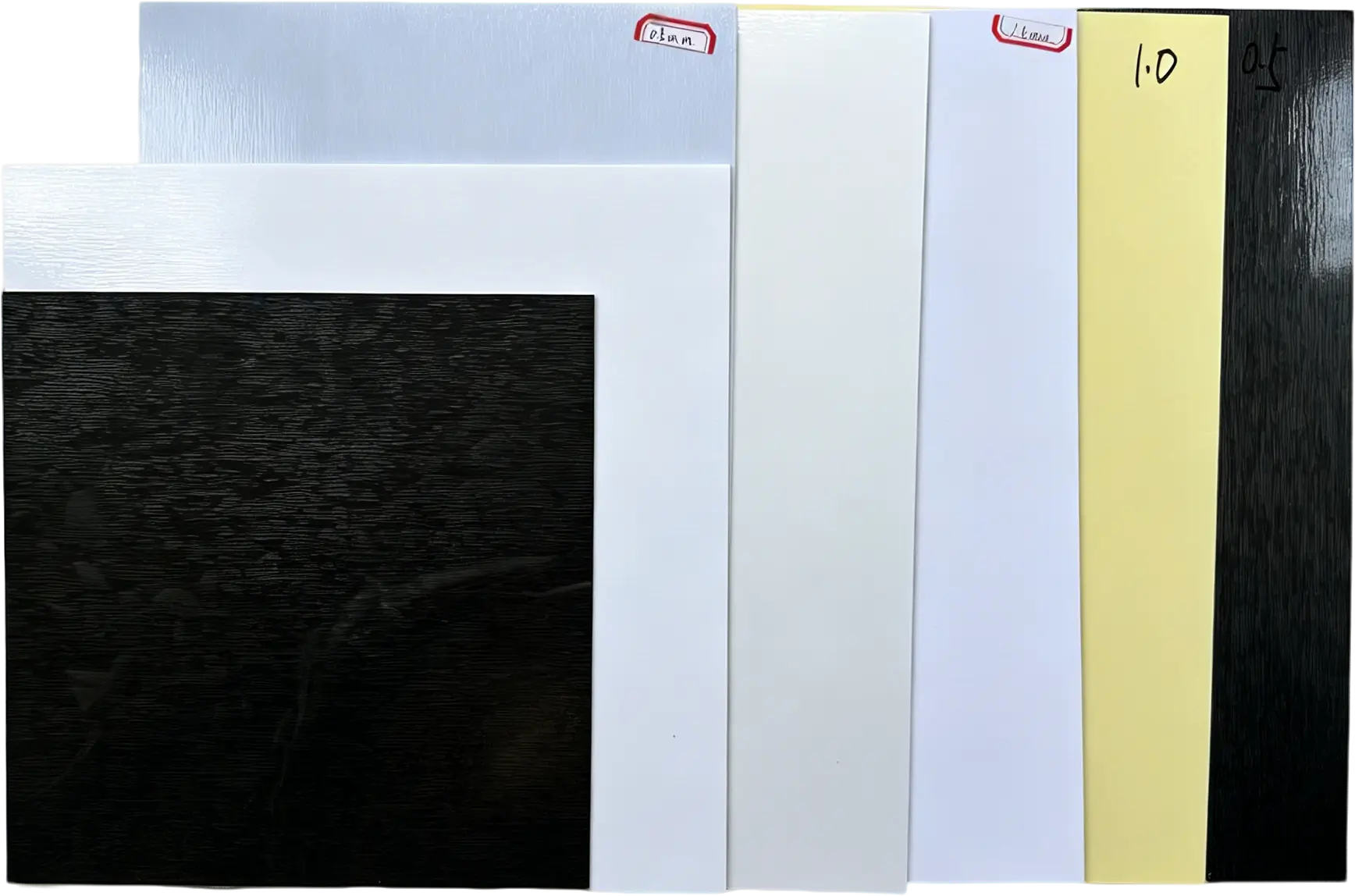
Home > PVC Photo Album Inner Sheet
100%
Virgin PVC resin
Small batch
Support small-batch trial orders
ROHS + REACH
Compliance
60+
Export Countries
Three Common Self-Adhesive Page Failures
Before we explain what makes Shine inner sheets different, it helps to understand what goes wrong with the cheaper alternatives. We hear the same complaints from buyers who switched to us after a bad experience.
Failure #1: Acidic Adhesive Causes Photos to Age Prematurely
Cheap self-adhesive pages use acidic pressure-sensitive glue. Over 5 years, the acid migrates into the photo paper base. The paper turns yellow and becomes brittle. The adhesive dries out and loses tack. Photos that stayed in place for years suddenly peel off.
Shine uses acid-free pressure-sensitive adhesive. It stays chemically stable. It does not release acidic compounds over time. It does not dry out and fail. The adhesive allows repositioning: place a photo slightly off, lift it, and adjust. The initial tack is designed for this, after 24 hours, the bond develops full holding strength. Surface roughness stays below 0.5μm Ra. When a photo goes onto the adhesive, air escapes naturally. No trapped bubbles form. No squeegee needed. No risk of scratching the photo while pressing out air.
Failure #2: Recycled PVC Creates Unstable Material Quality
To cut material costs, low-cost manufacturers often use recycled PVC resin. Recycled PVC carries unpredictable additives from its previous life leftover stabilizers, degraded polymers, pigment residues. The sheets look slightly grey or yellowish instead of clean white or deep black.
Shine uses 100% virgin PVC resin across both foamed and solid product lines. No recycled material. Every batch starts from the same raw material specification.
Failure #3: Poor Cutting Leaves Unsafe Rough Edges
Cheap PVC inner sheets are often punched or saw-cut. These methods leave micro-burrs along the edges too small to see, but your fingers feel them. For children’s albums handled by 3-to-6-year-olds, a sharp edge is unacceptable.
Shine inner sheets don’t scratch because our die-cutting blades and CNC knife blades sever the PVC cleanly. Unlike punching or sawing, a sharp blade does not tear the material or leave residual burrs. The edge is smooth from the moment it leaves the cutting station. No post-processing needed.
Two materials and processes for the inner pages of the photo album
Manufacturing path differs depending on whether you choose foamed or solid PVC. Both paths share the same downstream processes, surface activation, adhesive coating, release liner application, and cutting.
Solid PVC Manufacturing: Calendering
Solid PVC inner sheets start on a calendering line. A series of 4 to 5 heated rollers rotate at precisely controlled speeds. The roller gaps decrease step by step. Pre-plasticized PVC compound squeezes thinner and thinner until it reaches the target thickness.
Calendering’s defining advantage is thickness uniformity. Precision roller bearings and closed-loop gap control hold tolerance within ±0.005mm (5 microns). Why does this matter? A 0.80mm sheet next to a 0.82mm sheet, just 0.02mm difference. In a 20-page album creates a 0.4mm cumulative variation. The naked eye sees that when the album is closed, Calendering keeps every sheet consistent.
Foamed PVC Manufacturing: Extrusion Foaming
Foamed PVC starts differently. Workers mix PVC resin with an AC foaming agent, stabilizers, and lubricants. The compound feeds into a twin-screw extruder. As the material exits the die, the foaming agent decomposes and releases gas, creating a micro-cellular structure inside the sheet.
Critical process variable: closed-cell ratio, how many cells are fully sealed off from their neighbors. A high closed-cell ratio blocks water from traveling through the material. Achieving this requires matching two competing rates: how fast the foaming agent decomposes (releasing gas) versus how fast the melt cools (locking the cell structure).
Foamed PVC density varies by thickness: 1.0mm sheets measure 0.48 g/cm³, while Standard and Full-thickness 1.5mm sheets measure 0.42 g/cm³. Both are significantly lighter than solid PVC (1.75 g/cm³). This makes foamed sheets less expensive and easier to handle, while retaining enough rigidity for most album applications.
Important: When we specify “1.5mm” for foamed PVC, two versions exist. “Standard 1.5mm” means a bare board thickness of 1.4mm, which becomes approximately 1.5mm after adhesive and release liner go on. “Full-thickness 1.5mm” means the bare board itself is 1.5mm. The price differs. If you don’t specify which you need, we default to the standard version. You should know exactly what you are paying for.
Four Critical Manufacturing Steps That Define Self-Adhesive Album Sheet Quality
Surface Activation
After forming, the PVC sheet passes through a corona treatment station. Bond strength increases dramatically.
Adhesive coating.
Quality diverges most between suppliers at this step. Shine uses acid-free pressure-sensitive adhesive. We validate peel strength using the 180° peel test (FINAT FTM 1 method). The bond holds a photo securely through years of page turning.
Release liner application.
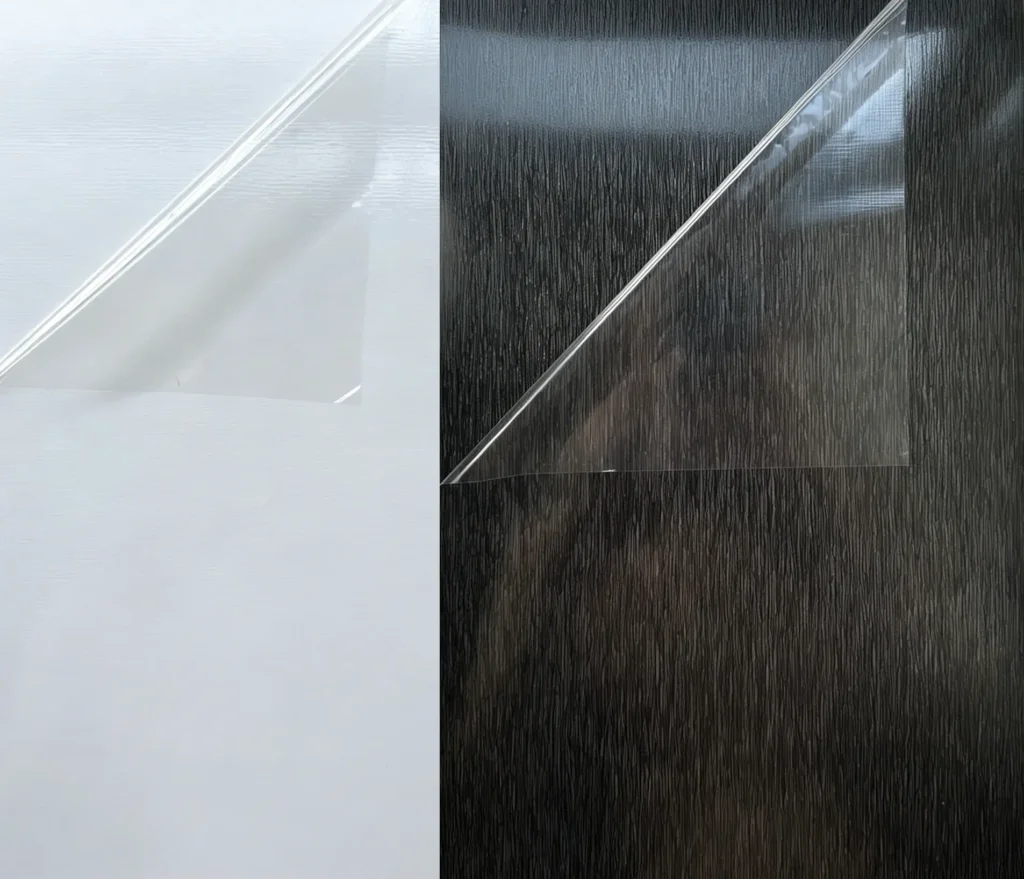
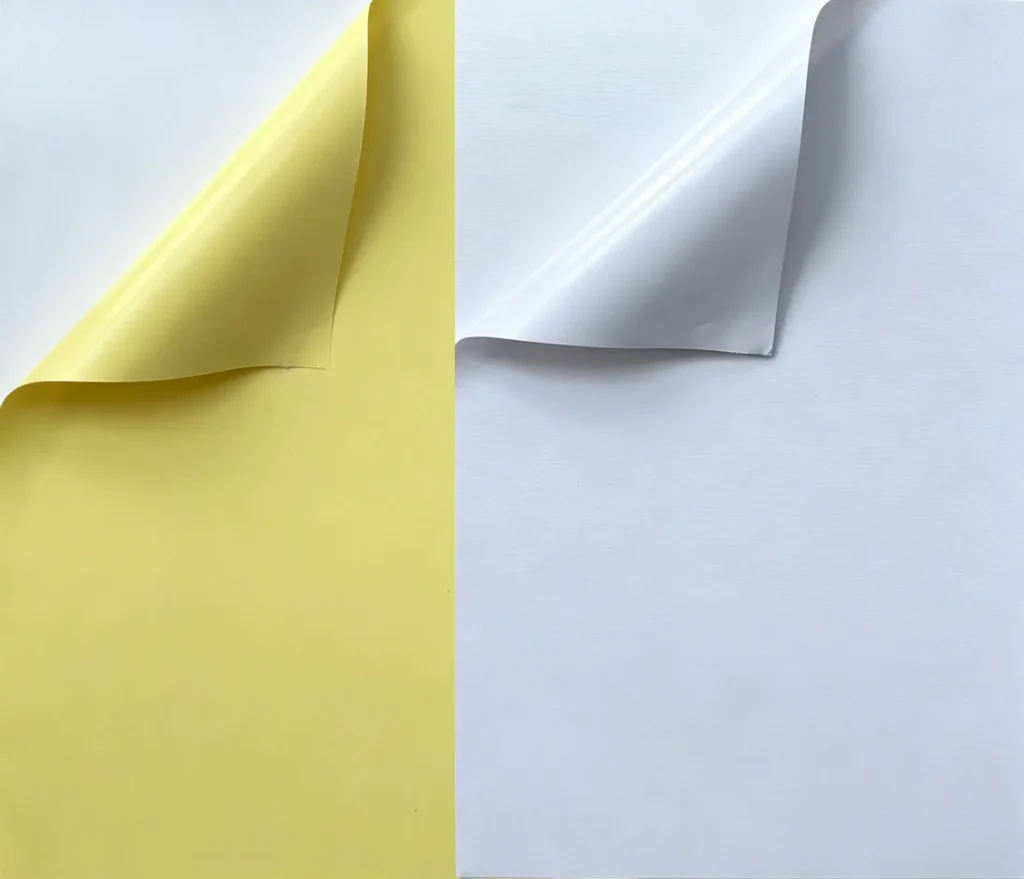
After coating, a release liner covers the adhesive. The liner is silicone-coated on both sides. It protects the adhesive surface until the end user mounts photos. Three liner materials are available, yellow paper, white paper, and PE film.
Cutting.
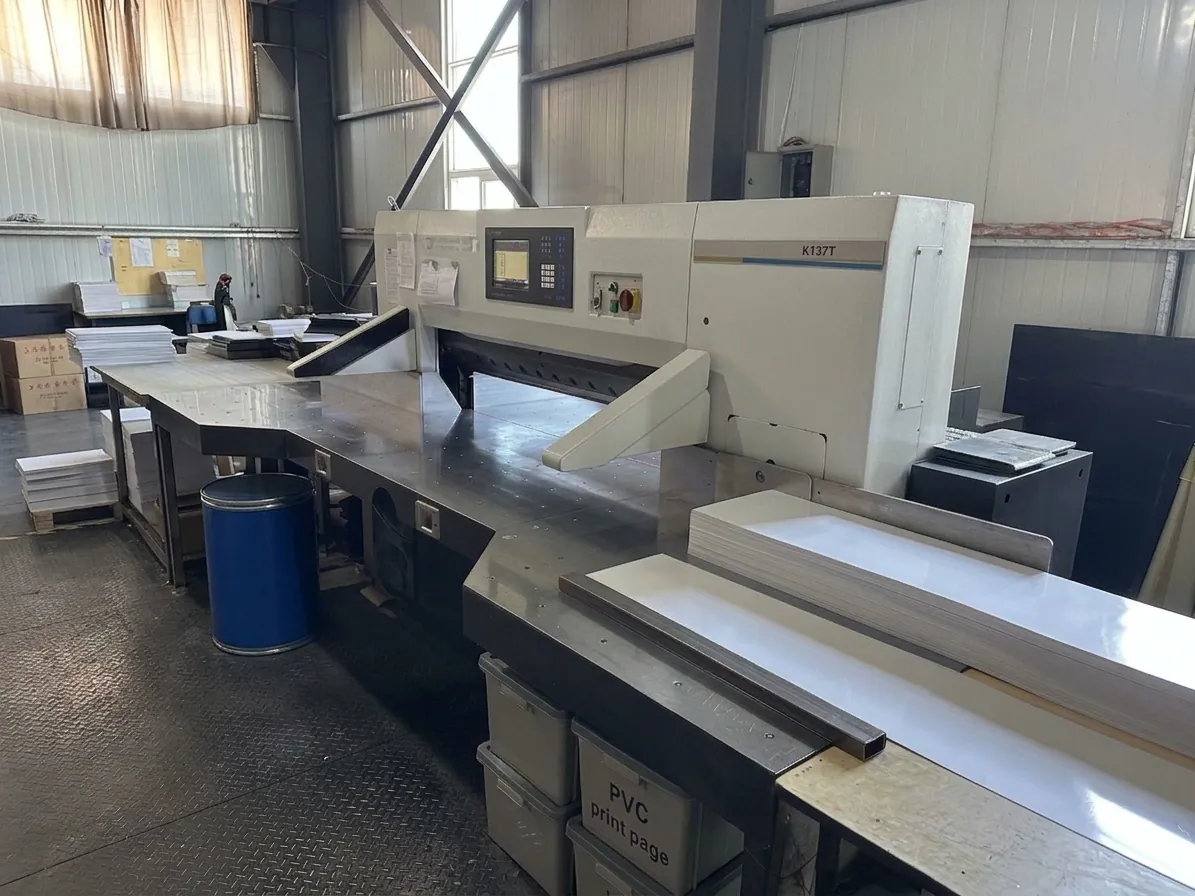
CNC knife cutting. Size tolerance: ±0.2cm. Blade-cut edges come out clean and straight, with no burrs or rough spots.
Technical Specifications
Solid PVC Specifications
| Parameter | Specification |
|---|---|
| Material | 100% virgin PVC, no recycled content |
| Structure | Homogeneous, pore-free (calendered) |
| Density | 1.75 g/cm³ |
| Available Thicknesses | 0.3mm / 0.5mm / 0.6mm / 0.8mm |
| Standard Sizes | See details below |
| Flame Resistance | Self-extinguishing (PVC inherent due to chlorine content) |
| Dimensional Tolerance | ±0.2cm |
| Color | White、Black |
| Expected Service Life | 5–10 years under normal indoor storage |
Foamed PVC Specifications
| Parameter | Specification |
|---|---|
| Material | 100% virgin PVC + AC foaming agent, no recycled content |
| Structure | Closed-cell micro-foam (extrusion foamed) |
| Density | 0.48 g/cm³ (1.0mm) / 0.42 g/cm³ (Standard & Full-thickness 1.5mm) |
| Available Thicknesses | 1.0mm / Standard 1.5mm (bare board: 1.4mm) / Full-thickness 1.5mm (bare board: 1.5mm) |
| Standard Sizes | See details below |
| Surface | Smooth, consistent finish |
| Adhesive | Acid-free pressure-sensitive, pre-applied |
| Flame Resistance | Self-extinguishing (PVC inherent due to chlorine content) |
| Dimensional Tolerance | ±0.2cm |
| Color | White |
| Expected Service Life | 5–10 years under normal indoor storage |
Bare board definition: “Bare board” = PVC sheet only. No adhesive. No release liner. Standard 1.5mm foamed PVC: bare board is 1.4mm, total thickness with adhesive and liner is approximately 1.5mm. Full-thickness 1.5mm: bare board is 1.5mm, total thickness exceeds 1.5mm after adhesive and liner are applied. Pricing differs accordingly.
Standard Sizes
| Category | Sizes Available |
|---|---|
| Standard Rectangle | 7″ (14×19cm) / 8″ (16×21cm) / 10″ (18×26cm) / 12″ (21×31cm) / 16″ (26×38cm) / 18″ (31×45cm) |
| Standard Square | 6″ (16×16cm) / 8″ (21×21cm) / 10″ (26×26cm) / 12″ (31×31cm) / 16″ (38×38cm) |
| Available Thicknesses | 1.0mm / Standard 1.5mm (bare board: 1.4mm) / Full-thickness 1.5mm (bare board: 1.5mm) |
| Custom Sizes | Available. See Customization & OEM section. |
| Full Panel | 1.15m × 1.33m (for further processing) |
Release Liner Options
| Type | Base Material |
|---|---|
| Yellow Paper | Natural kraft paper, double-sided silicone coating |
| White Paper | Bleached kraft paper, double-sided silicone coating |
| PE Film | Transparent polyethylene film |
Decision logic: Yellow paper and white paper are functionally identical. The choice between them is visual (appearance, printability), not technical. PE film is a fundamentally different material. The choice between paper and film is a functional decision driven by humidity exposure and end-user expectations.
Selection Guide
If you are uncertain which combination of base material, thickness, color, and release liner fits your project, this section walks through the decision step by step.
Step 1: Choose Base Material
No other decision affects your end product as much. Your base material choice determines cost structure, product positioning, and how the album feels in the hand.
| Dimension | Foamed PVC | Solid PVC |
|---|---|---|
| Manufacturing process | Extrusion foaming | Calendering |
| Internal structure | Closed-cell micro-foam | Homogeneous, pore-free |
| Density | 0.48 (1.0mm) / 0.42 (1.5mm) g/cm³ | 1.75 g/cm³ |
| Thickness options | 1.0mm / Standard 1.5mm (bare 1.4) / Full-thickness 1.5mm (bare 1.5) | 0.3mm / 0.5mm / 0.6mm / 0.8mm |
| Hand feel | Lightweight, slight spring | Substantial, rigid, heavier weight |
| Weight per sheet | Lower | Higher (roughly 4× foamed at same dimensions) |
| Cost | Significantly lower. Foaming saves PVC resin. | Higher. Homogeneous solid uses more resin. |
| Best positioning | Economy line, volume production, lightweight albums, retail promotion | High-end line, professional portfolios, wedding albums, heavy-use applications |
The honest rule of thumb: If cost drives your decision and the album needs to be lightweight and affordable, choose foamed PVC. If perceived quality, rigidity, and a weighty feel matter more than price, choose solid PVC. Most volume wholesale buyers use foamed. Most professional photography studios and wedding album makers choose solid.
Step 2: Select Thickness
Solid PVC thickness guide:
| Thickness | Hand Feel | Best Applications | Limitations |
|---|---|---|---|
| 0.3mm | Ultra-thin, very flexible | Lightweight refill pages, cost-optimized retail products | Low load-bearing; large formats may feel too flexible |
| 0.5mm | Light and flexible, easy page-turning | Family DIY albums, children’s albums, standard retail | Large formats (18″) may feel slightly soft |
| 0.6mm | Balanced. The all-rounder. | General-purpose albums, good cost-performance ratio | — |
| 0.8mm | Economy line, volume production, lightweight albums, retail promotion | Professional photography, wedding albums, designer portfolios, large formats | Noticeable page-turning resistance |
Foamed PVC thickness guide:
| Thickness | Bare Board Actual | Hand Feel | Best Applications |
|---|---|---|---|
| 1.0mm | 1.0mm | Lightweight, moderate rigidity | Economy albums, volume production, retail promotions |
| Standard 1.5mm | 1.4mm | Standard thickness, sufficient rigidity | General wholesale, mid-range albums |
| Full-thickness 1.5mm | 1.5mm | True full thickness, most rigid foamed option | High-end foamed line, buyers who specify exact thickness |
Thickness-to-size matching:
| Album Size | Solid PVC Recommendation | Foamed PVC Recommendation |
|---|---|---|
| 6–8 inch | 0.3–0.5mm | 1.0mm |
| 10–12 inch | 0.5–0.8mm | 1.0mm or Standard 1.5mm |
| 16–18 inch | 0.8mm | Standard 1.5mm or Full-thickness 1.5mm |
Request a Sample Pack
The best way to compare foamed vs solid PVC, feel the release liner difference, and check edge quality is to hold the sheets in your hands. Tell us your preferred size, thickness, base material, and liner type. We will send both colors so you can evaluate the product in person.
Applications
Family DIY Photo Albums
The typical buyer is a parent, aged 25 to 45, putting together a children’s album at home. Their priorities are safety, ease of use, and affordability. ROHS compliance matters here because parents need confidence that the product is safe for children to handle.
For this application, we recommend white foamed PVC at 1.0mm or white solid PVC at 0.3mm to 0.5mm. Both are lightweight and easy for small hands to turn. Yellow paper release liner keeps the cost down. Self-adhesive pages mean no separate glue to buy or mess with. Clean blade-cut edges remove the risk of scratched fingers. Typical orders are small, ranging from a single sheet to a pack of 10 for retail.
Professional Photography Studios
Wedding and portrait photographers sell finished albums to clients who paid thousands for the photography. The album pages need to match that level of investment. Presentation quality drives every decision: pages must stay flat, photos must bond without bubbles, and the album must look professional when the client opens it.
We recommend black solid PVC at 0.8mm for most photography studios. The density and rigidity give the album a substantial feel. The black background maximizes photo contrast, which is why most photographers and designers choose it for portfolio presentation. White solid PVC at 0.8mm works well for wedding albums where a lighter aesthetic is preferred. PE film release liner protects the adhesive from humidity and lets the studio preview adhesive quality through the transparent film. Photographers typically order in small batches of 50 to 200 sheets per month.
Wedding and Event Albums
Wedding planners, event companies, and photo studios need album pages that last. A wedding album gets opened on anniversaries, shown to children, and passed between generations. Long-term preservation is the priority. The adhesive needs to hold securely for decades without yellowing or failing.
We recommend solid PVC at 0.8mm in white or black. The rigid, substantial feel matches the significance of the product. For buyers who prefer a lighter album, foamed PVC at full-thickness 1.5mm offers similar rigidity at a lower weight and cost. PE film release liner is the standard recommendation here. It resists moisture and sheds no fibers, which matters for an album intended to stay pristine. Orders are typically placed per project with a 500kg minimum. See Technical Specifications for adhesive performance data and expected service life.
Designer and Artist Portfolios
A portfolio is a career document. Designers, architects, artists, and illustrators use it to win projects and commissions. The presentation needs to be clean, professional, and free of distractions.
Black is the only color choice here. A black background maximizes the visual impact of artwork, photography, and design work. We recommend solid PVC at 0.6mm to 0.8mm. At 0.8mm, the pages have enough weight and rigidity to feel substantial without making the portfolio too heavy to carry. Foamed PVC at standard 1.5mm is a lighter, more affordable alternative for buyers who prioritize portability. PE film release liner protects the adhesive and allows previewing the adhesive surface before mounting. Orders start at 500kg minimum.
Commercial Custom Albums
Corporations and brands order album pages for annual reports, client gifts, and event albums. Their priorities are different from photographers or families. Volume delivery on schedule matters as much as product quality. Consistency across every sheet in a large order is critical.
We recommend solid PVC at 0.6mm to 0.8mm or foamed PVC at standard 1.5mm, in white or black. The release liner choice depends on the branding requirement. White paper release liner can carry printed logos or batch codes. PE film works better if the destination market has high humidity or if the end recipient expects a higher-end unboxing experience. Custom packaging and logo printing are available. See the Customization section for details on minimum order quantities and lead times for branded orders.
Storage and Handling Guide
Recommended Storage Conditions
| Parameter | Requirement | Consequence of Exceeding |
|---|---|---|
| Temperature | 18–24°C (ideal), do not exceed 30°C | High temperature → adhesive softens → release liner becomes difficult to peel → adhesive may bleed at edges |
| Humidity | 40–60% RH | High humidity → paper-based release liners wrinkle → silicone coating degrades → adhesive surface affected |
| Light | Store away from direct sunlight and UV exposure | UV → PVC substrate yellows → ages → adhesive chemically degrades |
| Stacking | Flat, avoid heavy pressure | Heavy stacking → adhesive on bottom sheets may bond to the back of adjacent sheets |
| Shelf Life | Use within 12 months | Beyond 12 months → adhesive tack may decrease → release liner may age |
Storage by Climate Zone
| Region | Recommendation |
|---|---|
| Southeast Asia / South America (high humidity) | PE film liner + aluminum foil moisture barrier bags + desiccant |
| Middle East (high temperature) | Air-conditioned warehouse, avoid container exposure to direct sun |
| Europe / North America (temperate) | Standard storage conditions are sufficient |
How to Protecat the Adhesive Surface
The pressure-sensitive adhesive is the functional core of the product. Once contaminated, the sheet is unusable.
| Stage | Requirement | Consequence of Violation |
|---|---|---|
| Production environment | Temperature and humidity controlled (20–25°C, 40–60% RH), dust-free | Dust on adhesive → bubbles when end user mounts photos |
| Operator handling | Lint-free gloves at all times, no bare-hand contact with adhesive surface | Fingerprint oil → localized adhesive failure → photo won’t stick |
| Release liner integrity | Must not tear, shift, or wrinkle during cutting | Tear → dust enters adhesive. Wrinkle → end user struggles to peel |
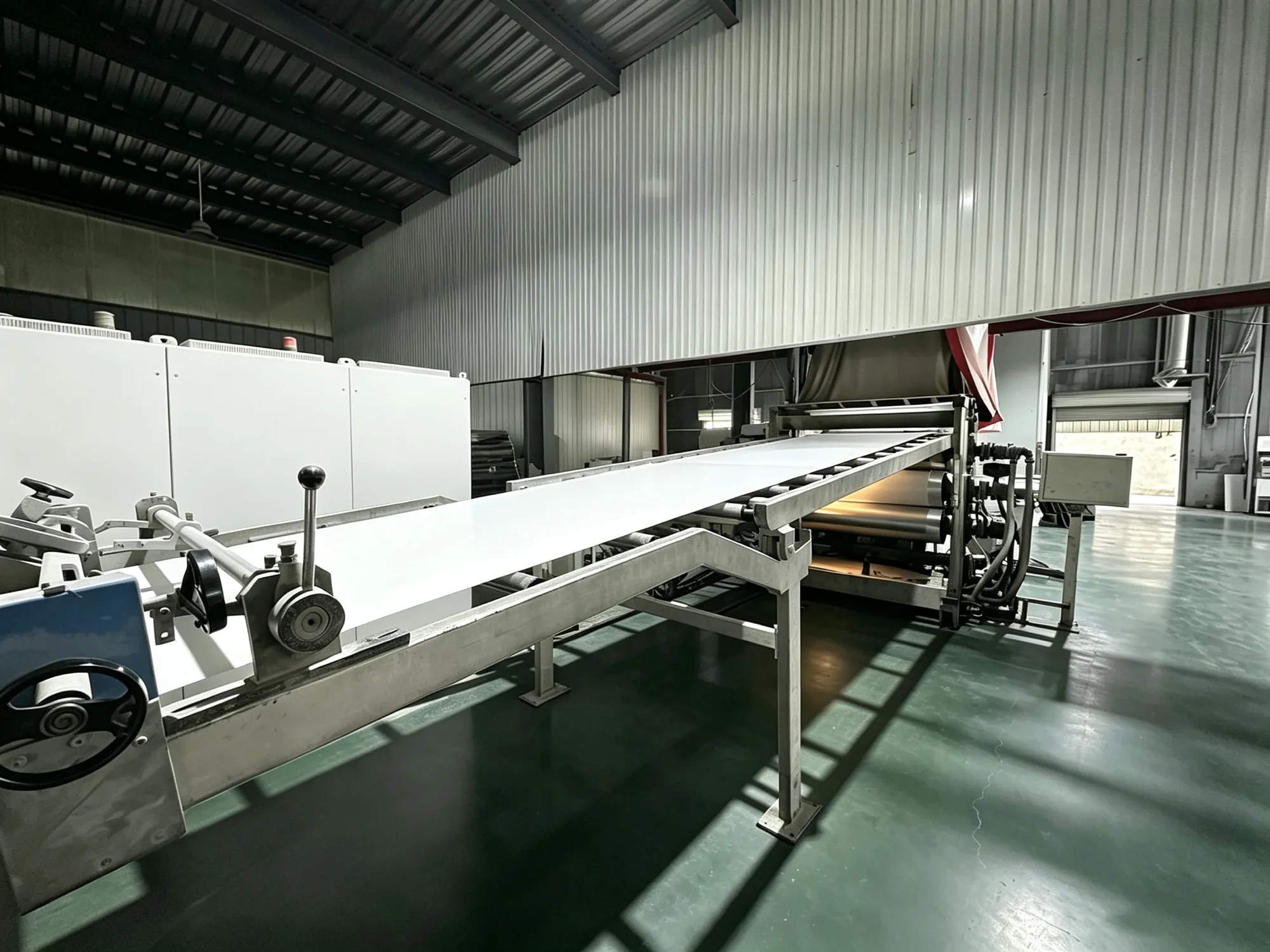
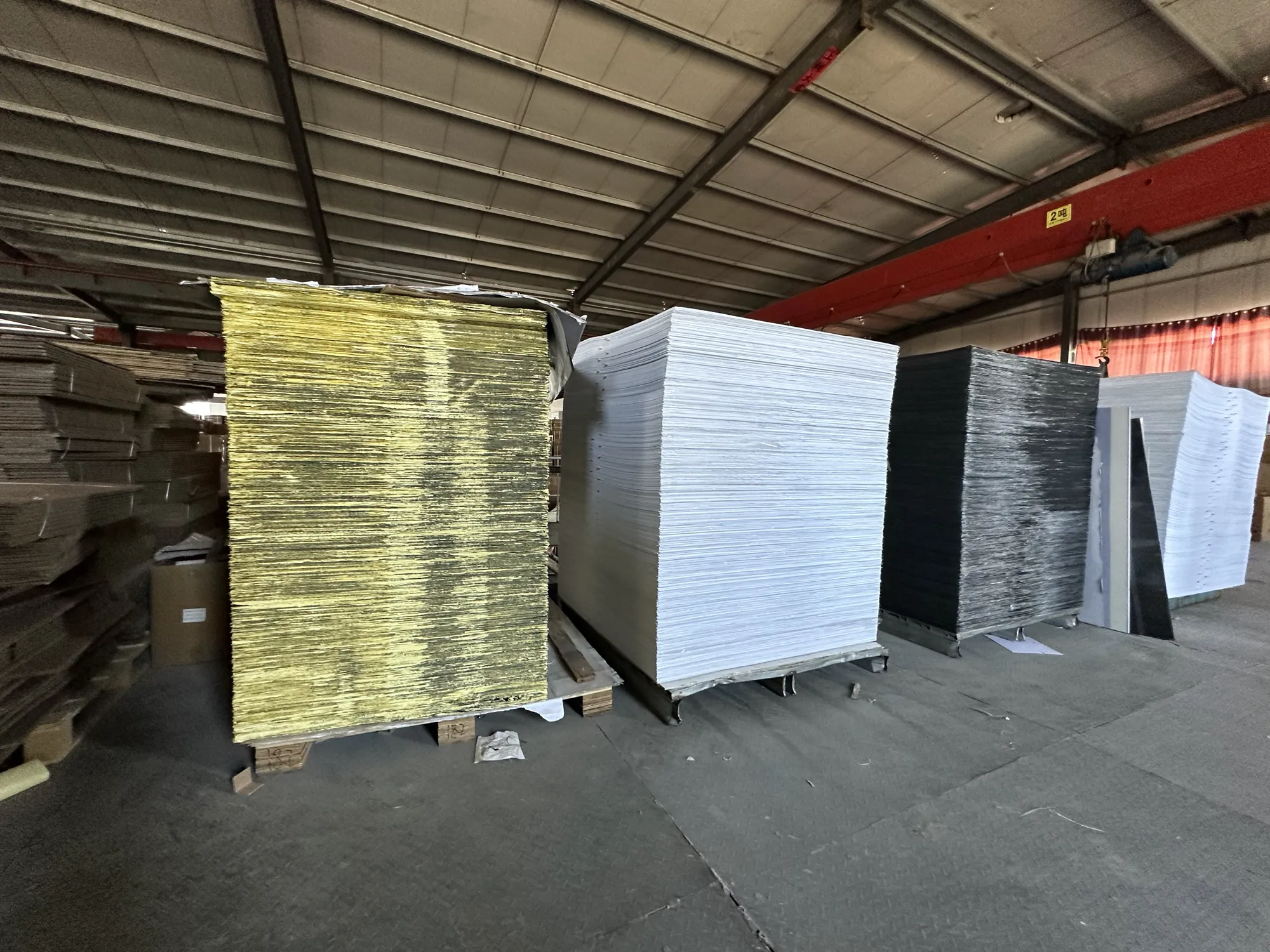
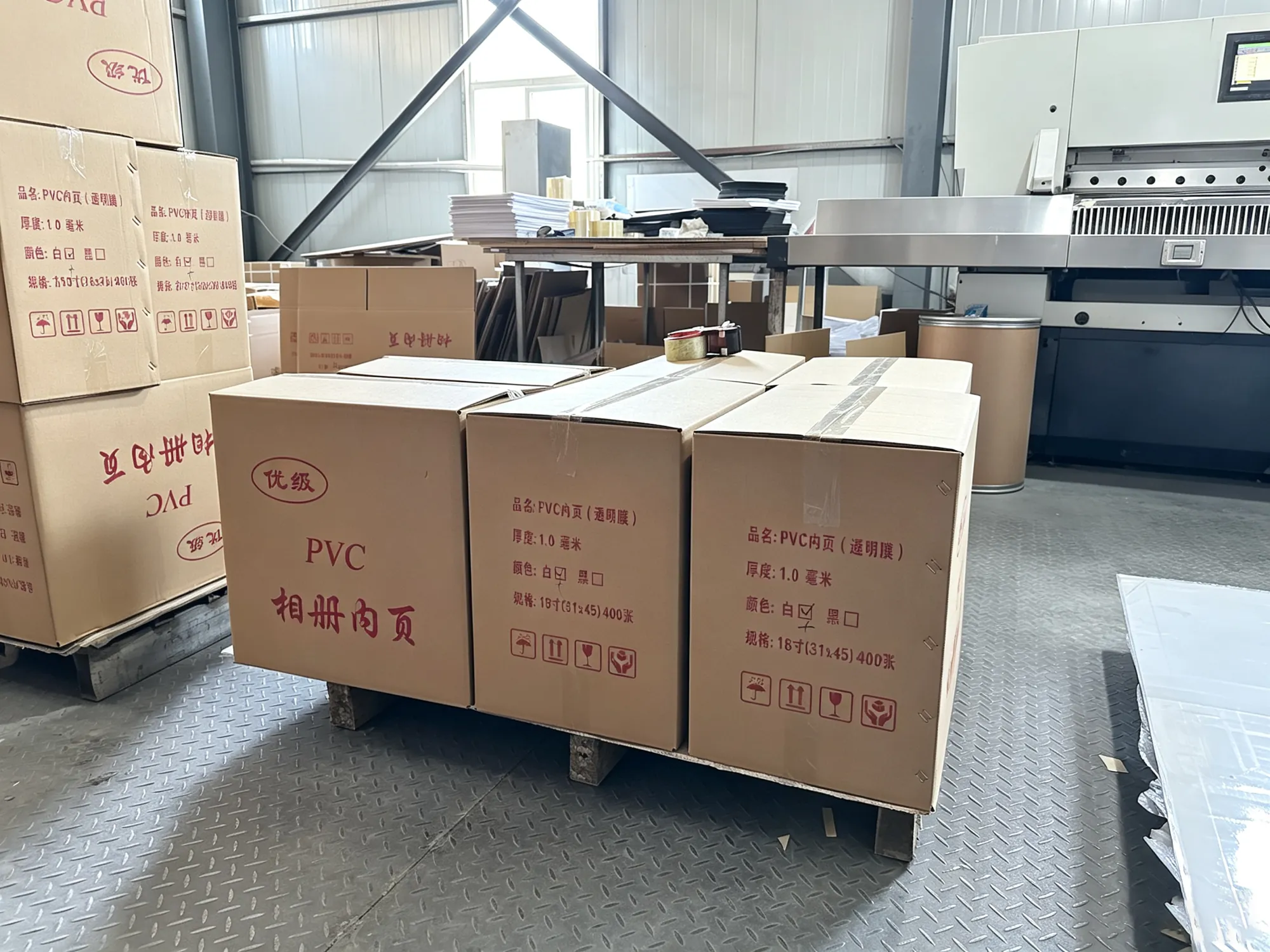
Shine Manufacturing Facility
Order Process and Lead Times
From Inquiry to Delivery
Step 1. Inquiry → Step 2. Specification Confirmation → Step 3. Proforma Invoice / Deposit → Step 4. Production Scheduling → Step 5. Manufacturing → Step 6. Inspection → Step 7. Shipment
You receive documentation at each step so you know exactly where your order stands. After specification confirmation, we issue a proforma invoice. Production begins upon receipt of the deposit.
Preparation cycle
| Order Type | Lead Time |
|---|---|
| Standard products (standard sizes & colors) | 7–14 days |
| Express | 3–5 days |
| Custom orders (size, packaging, branding) | 14–60 days depending on complexity |
Payment Terms and MOQ
| Term | Detail |
|---|---|
| MOQ | 500kg minimum (by weight, not by sheet count. The actual number of sheets depends on thickness and base material.) |
| Payment | T/T (30% advance + 70% before shipment) or Alipay |
We support OEM and ODM orders with custom sizes, packaging, and labeling. Minimum order quantity for custom work is 500kg. Small trial orders are welcome. Many of our long-term customers began with a sample pack and an initial trial order, then gradually grew into ongoing partnerships with us.
Customization and OEM Services
Custom Sizes
Standard sizes cover most applications, if you need a non-standard dimension, Shine can produce it. Minimum order: 500kg. This applies to both foamed and solid PVC.
OEM Order Process and Lead Times
OEM lead times follow the same schedule as standard orders. See the lead times table in the Order Process section above for standard, express, and custom production timelines.
OEM orders can include custom sizes, packaging, and branding. Color options remain black and white. Pantone matching and custom color production are not currently available.
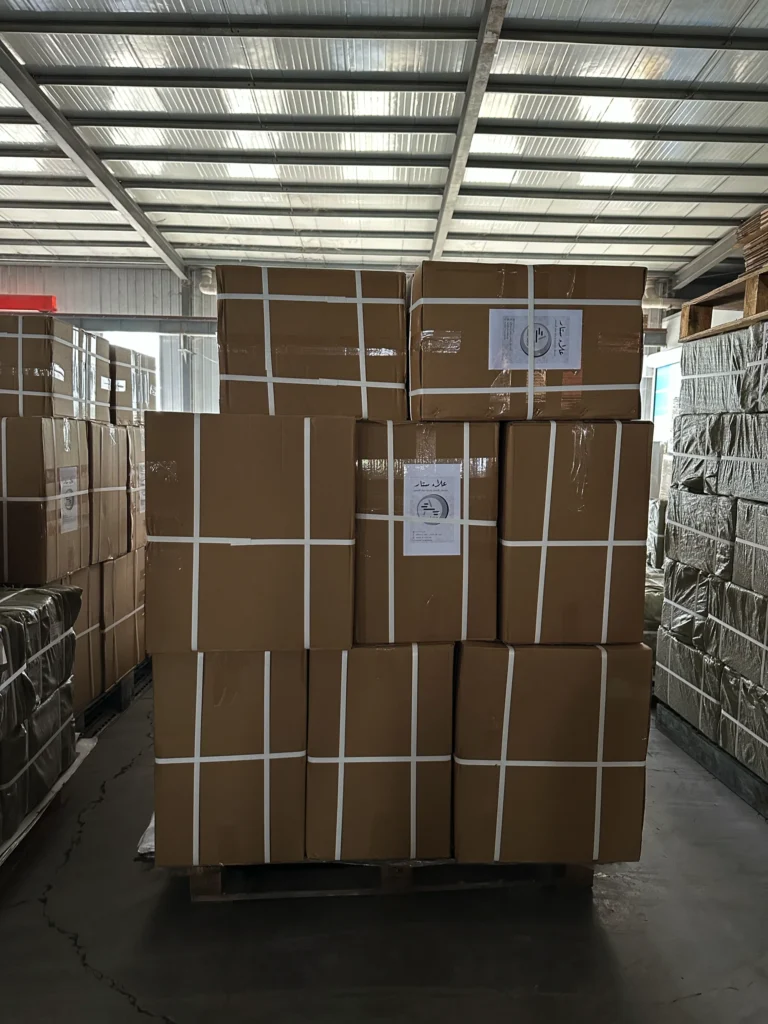
Packaging Options
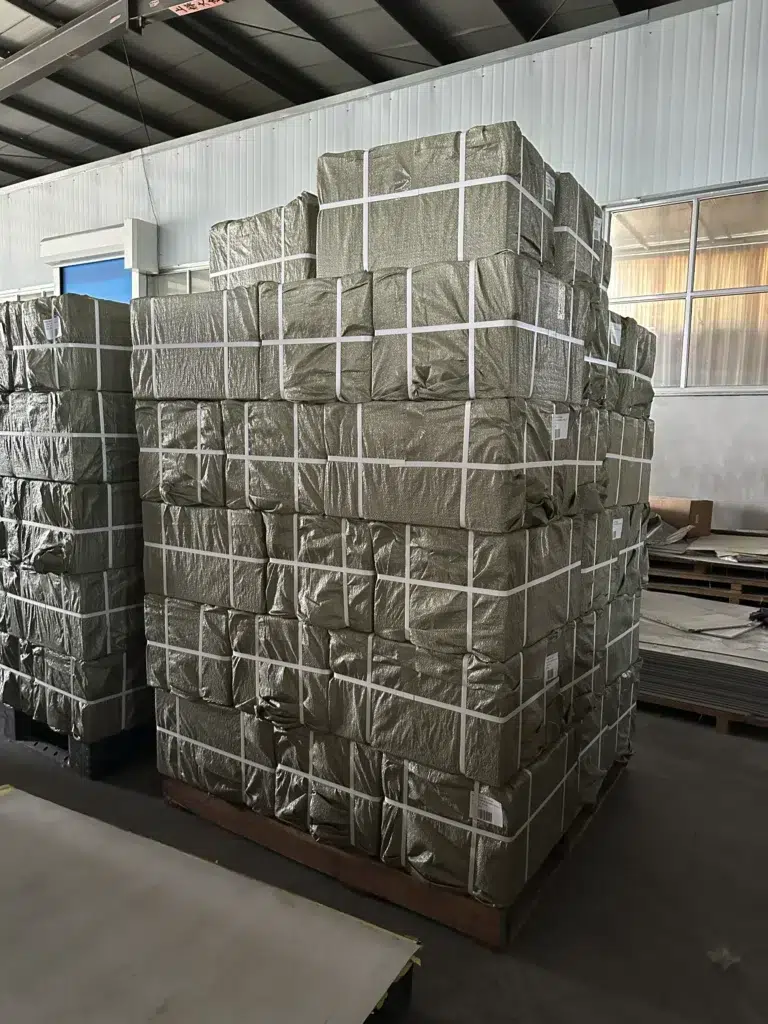
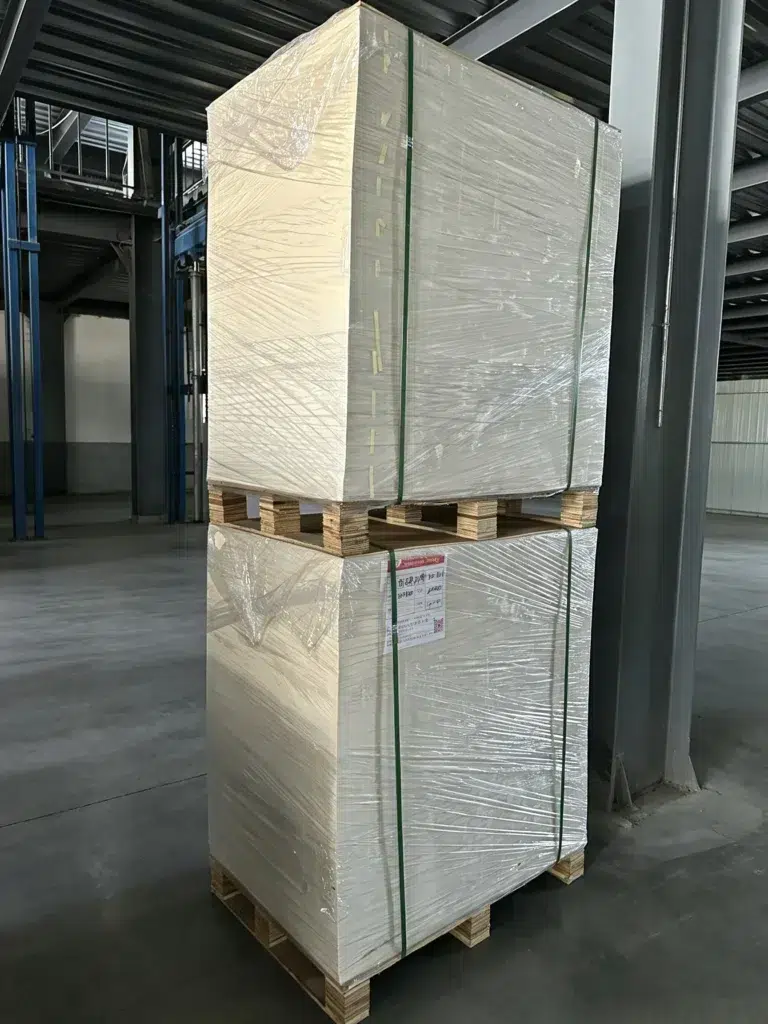
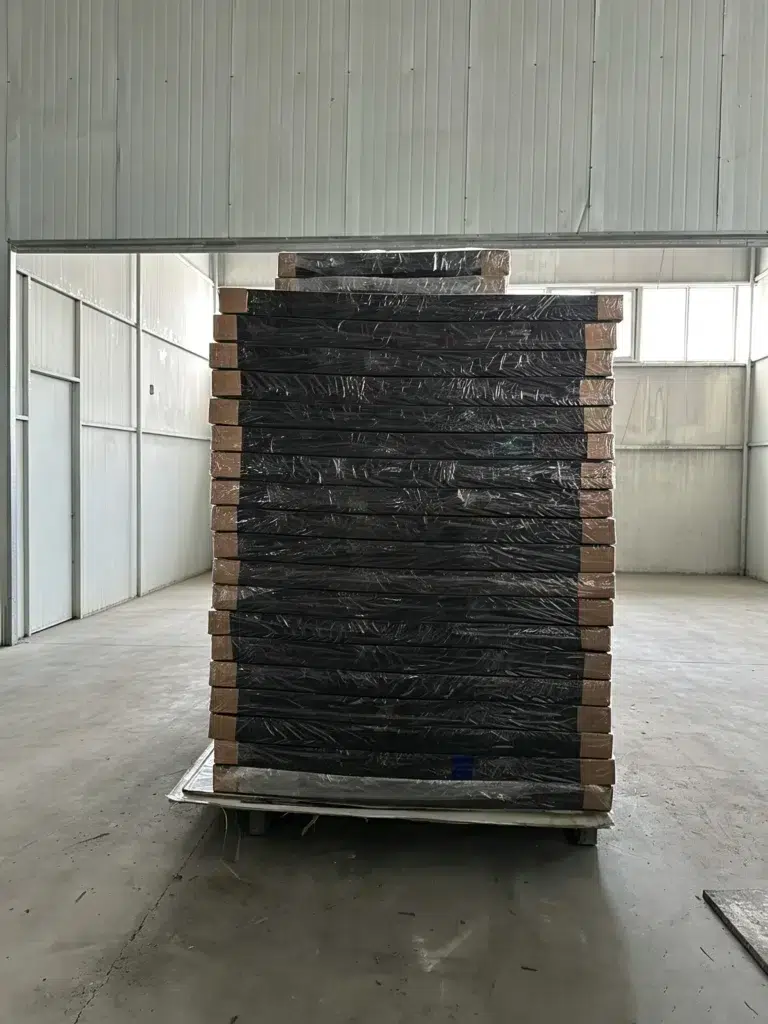
Our standard packaging is provided at no additional cost. For special packaging requirements, such as customized boxes, labels, pallets, or other packing solutions, additional charges will apply and shall be covered by the buyer.
Frequently Asked Questions
Answers to frequently asked questions about Shine products and services.
Will the adhesive damage my photos over time?
I’ve heard PVC albums destroy photos. Is that true?
What is the difference between foamed and solid PVC?
Are the sheets consistent in color between batches?
What is the difference between yellow paper, white paper, and PE film release liners?
What is the minimum order quantity?
Can I get a smaller trial order?
Do you produce custom sizes?
The product specifications, adhesive performance data, storage guidelines, and comparison statements on this page are based on Shine’s current product formulations and internal testing. Actual product performance, adhesive shelf life, and service life depend on storage conditions, handling practices, environmental exposure, and end-use application. For specific application requirements, request samples for in-house evaluation before placing a production order.
Take the Next Step
Pick the option that matches your stage in the decision process.