

PVC Foam Board Display & Exhibition Applications
Supplier & Manufacturer in China
Shine PVC foam board for exhibition booth walls, retail fixtures, kiosks and museum panels. Lightweight for faster setup and lower drayage fees. No painting required. Compatible with aluminum framing systems.
Home > Applications > Display & Exhibition
The Display Material Problem: Transport Cost, Labor, and Reuse Economics
A display project has four cost components. Material cost is what builders see on the purchase order, but it is rarely the largest line item on the project budget.
Transport cost is the first hidden expense. An exhibition stand that tours to six cities in a year is loaded, unloaded, and trucked a dozen times. The freight bill is calculated by weight or by volume, whichever is greater. A material that weighs half as much as its alternative cuts the freight line item by a meaningful percentage each time the stand moves.
Labor cost at installation is the second hidden expense. Exhibition halls charge premium rates for the hours between when the truck arrives at the dock and when the stand must be ready for the opening. A material that one person can carry and position, rather than two, cuts the installation labor hours. A material that assembles with screws rather than wet adhesives eliminates curing time. Each saved hour at the exhibition hall is a cost reduction that flows directly to the project margin.
Reuse value is the third hidden factor. A stand built from a durable material can serve for multiple shows with only minor refurbishment between outings. The material cost is amortized across the reuse cycles. A material that costs more per sheet but lasts for five shows may have a lower cost per show than a cheaper material that must be replaced after two.
Storage cost is easy to overlook. Displays live in warehouses between shows. The space they occupy costs rent. Flat-stacking panels occupy less cubic volume than assembled structures, but even flat panels consume square footage. A lightweight panel is easier to move in and out of storage, reducing handling time at each end of the cycle.
When PVC Foam Board Works for Display, and When It Does Not
| Applicable situations | Not the best choice |
|---|---|
| Booth wall panels and printed backdrops mounted into aluminum extrusion systems | Load-bearing structural framing (use aluminum, steel, or timber for the frame) |
| Retail display fixtures, shelving, and POP units carrying product and brand graphics | Displays carrying heavy hanging loads (monitor mounts, heavy signage should fix to the frame, not the panel alone) |
| Pop-up shop interiors and temporary retail environments, replaced or reconfigured within weeks or months | High-touch interactive exhibits with extreme daily wear over many years (consider HPL or metal) |
| Museum interpretive panels and gallery graphic displays viewed at close range | Transparent or backlit display elements (choose acrylic or polycarbonate) |
| Event stage backdrops and scenic panels, assembled and struck quickly | — |
Where a display will be used once, material cost drives the specification. Where it will tour multiple venues, the calculation shifts: a Celuka board that survives ten shows costs less per deployment than a cheaper board that needs replacing after the third load-in.
Material Comparison
| Material | PVC Foam Board vs | When the Alternative Still Makes Sense |
|---|---|---|
| MDF or Plywood | One person can carry and position a full 12 mm PVC foam board panel. No edge sealing, sanding, or painting needed before graphics application. | MDF costs less per sheet. For a single-use display where finishing labor is already budgeted and inexpensive, MDF may be the lower total cost. |
| Foam-Centered Board | Closed-cell PVC surface resists denting. Edges stay intact through handling. No paper facing to delaminate under humidity. | Lower sheet price. Adequate for short-term displays viewed from a distance. |
| Aluminum Extrusion Systems | PVC foam board panels match standard extrusion channel dimensions and slide in during assembly without separate fasteners. Panel weight is low enough that the frame carries lighting and monitor loads without excess structural demand. | The frame is the structure. PVC foam board fills the openings. For the load-bearing frame itself, aluminum extrusion is the correct choice. |
Display & Exhibition Applications
Exhibition Booth Panels and Backdrops
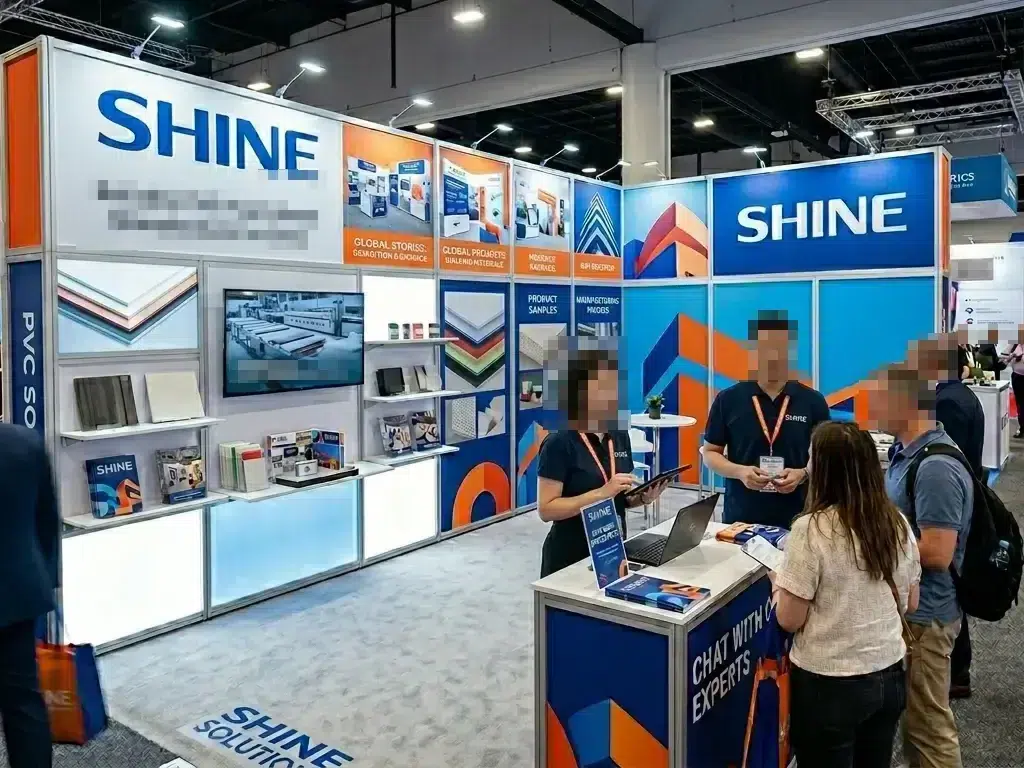
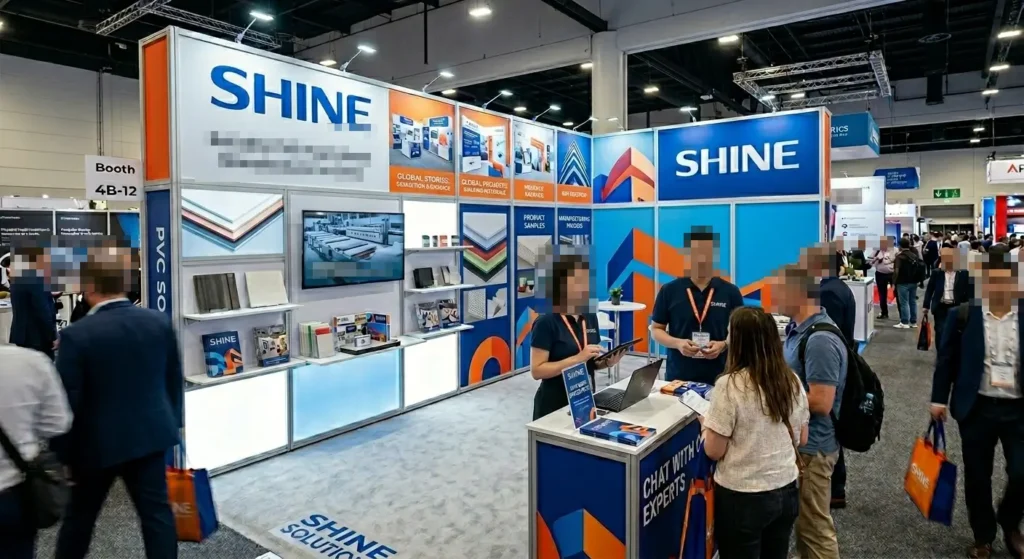
For modular aluminum extrusion booths, we supply PVC foam board panels cut to the extrusion channel dimensions. Direct UV printing applies the graphic in one pass. The panel slides into the frame during assembly. No separate fasteners. At load-out, panels come out the same way and stack flat for transport.
Installation methods include direct screw fixing to metal or timber studs, adhesive bonding to a prepared substrate, or mechanical clip systems.
Retail Display Fixtures and POP Units
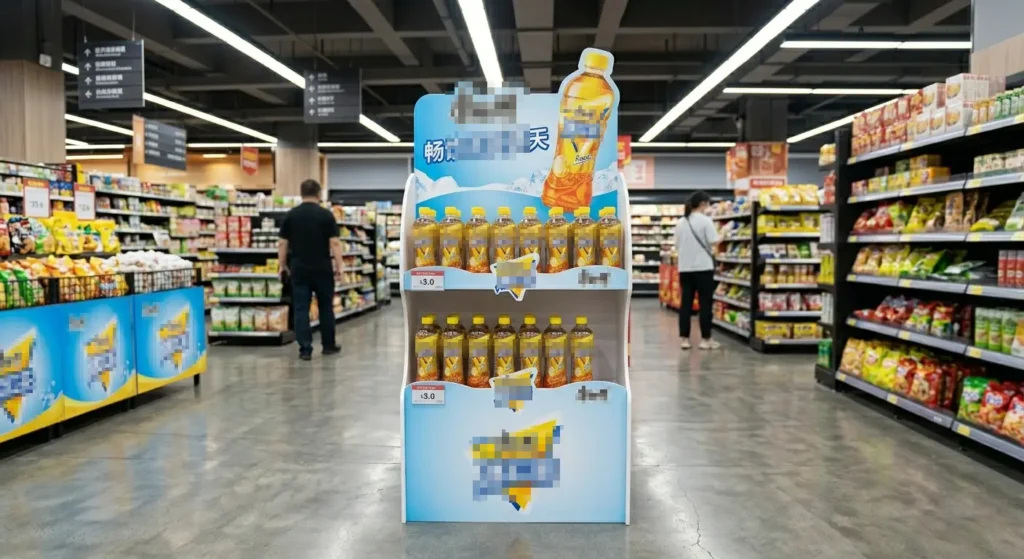
Celuka surface board comes off the CNC router with edges clean enough for display without post-processing. For shaped displays, logo cutouts, or curved shelving profiles, CNC routing produces the geometry directly from the sheet. The weight of the finished fixture matters beyond freight cost: light displays can be moved by store staff when merchandising changes, which in retail happens frequently.

Exhibition Stands and Kiosks
PVC foam board serves as the panel component in stand structures. It is not a frame material. For small, self-contained kiosks, 15 to 18 mm Celuka board at 0.60 g/cm³ density or above can function as a self-supporting structure. Connection methods include mechanical fasteners, structural adhesive, and proprietary aluminum connector systems.
Museum and Gallery Display Panels
For interpretive text panels, wayfinding graphics, and photographic displays, Celuka surface board supports the fine typography and high-resolution images that museum and gallery work requires. From a conservation standpoint, PVC foam board contains no formaldehyde and does not release formaldehyde. For printing and graphic adhesion specifications, see our Printing & Graphics and Signage & Advertising application pages.

Processing method
Our boards machine on standard CNC routers, panel saws, and digital cutting tables. Key fabrication methods:
CNC routing
Any 2D profile can be cut. Logos, curves, geometric patterns, and lattice work are all produced directly from the sheet. Edge quality from a sharp carbide tool is smooth enough for display without sanding.
3D carving
Relief patterns and dimensional logos can be carved into the board surface. Consistent material density across the sheet means carving depth is predictable, which matters for production runs where every panel needs to match.
V-groove folding
A V-shaped router bit cuts a channel to a controlled depth, leaving a thin hinge layer. The board folds along this groove to create a corner without a separate joint or visible fastener.
Surface finishing
Direct UV printing, decorative vinyl film application, or painting with acrylic paints. Celuka surface boards can be painted without primer after cleaning. Free foam boards benefit from light sanding before painting.
Material Selection
PVC foam board is available in a continuous density range from approximately 0.35 to 0.80 g/cm³. For display applications, this is grouped into three practical ranges. Display projects vary widely in their requirements. A museum interpretive panel, a trade show booth wall, and a retail shelf display each need a different balance of surface quality, rigidity, and cost.
Surface Selection
| Density Range | Best For |
|---|---|
| 0.60 g/cm³ and above | Self-supporting kiosk panels, shelving that carries product weight, any display component that must feel structurally solid |
| 0.45 – 0.60 g/cm³ | The majority of display work: exhibition wall panels, backdrop graphics, framed display panels |
| 0.30 – 0.45 g/cm³ | Short-term event graphics, temporary signage within a display, panels fully supported by a frame |
Thickness by Application
| Application | Recommended Thickness | Notes |
|---|---|---|
| Exhibition wall panels in framing system | 3 – 6 mm | Fits most aluminum extrusion channels. Thinner is lighter and cheaper |
| Backdrop panels spanning without intermediate support | 8 – 12 mm | Additional rigidity across larger spans |
| Self-supporting display units and kiosks | 15 – 18 mm | Structural stiffness for free-standing panels |
| Retail shelving | 15 – 18 mm | Carrying product weight. Shelf spans and expected loads guide the specific thickness |
| Museum graphic panels | 5 – 10 mm | Celuka surface recommended for print quality and longevity |
Surface Type
Celuka surface for high-resolution graphics and museum panels. Free foam surface for cost-sensitive projects and panels covered with applied graphics. For detailed surface specifications including Shore hardness values and print compatibility data, see our [Celuka Board product page] and [Free Foam Board product page].
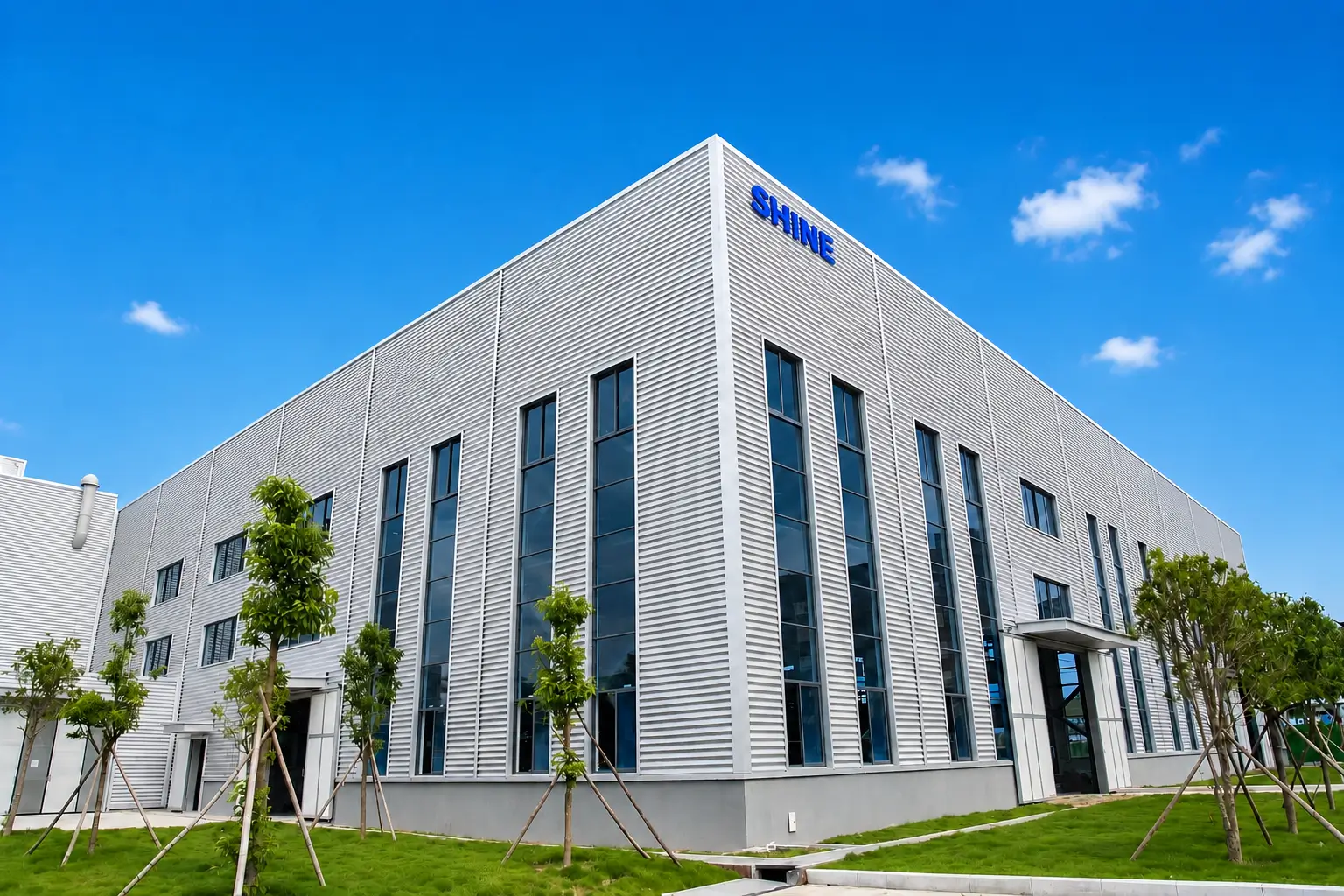
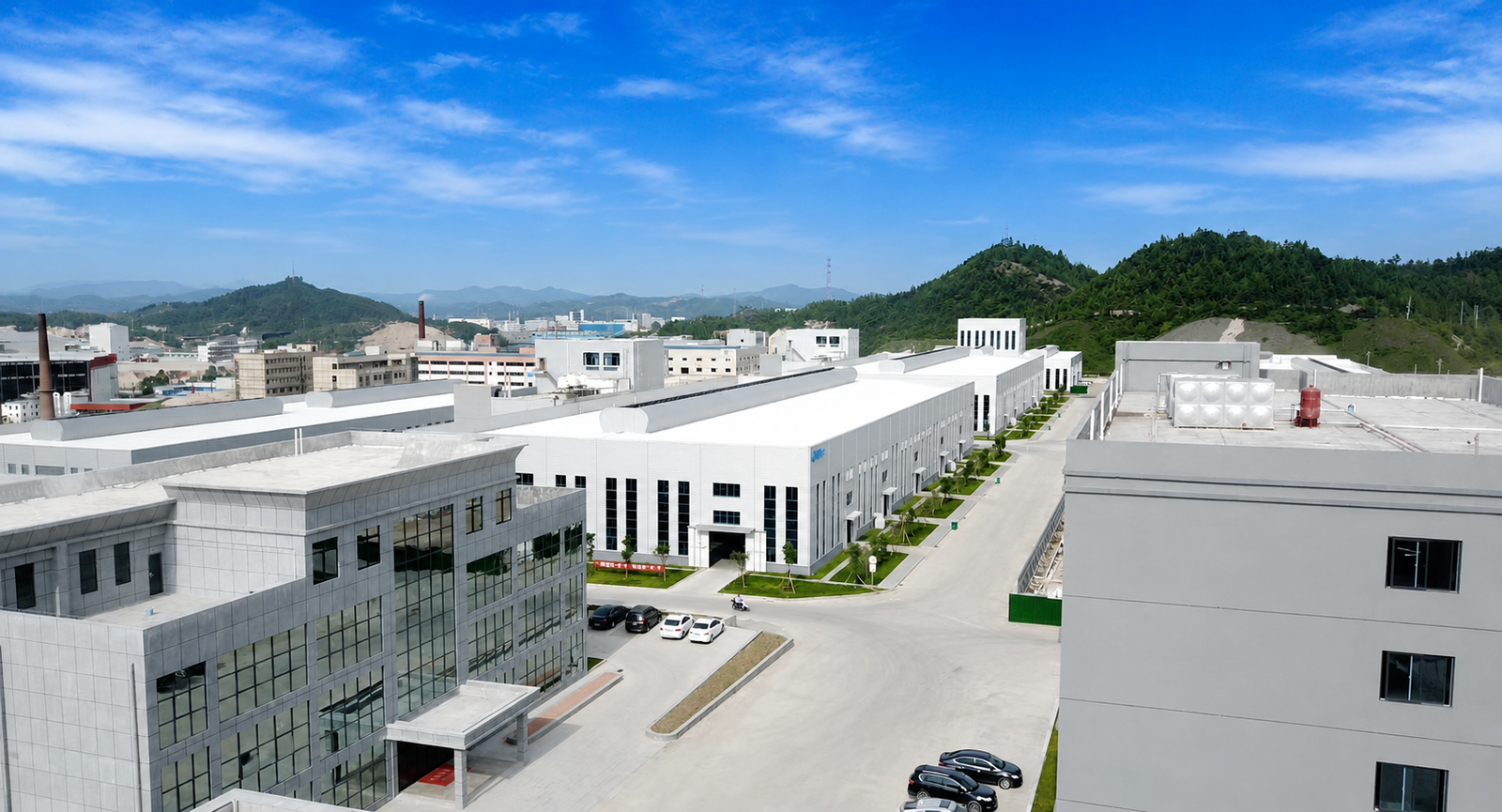
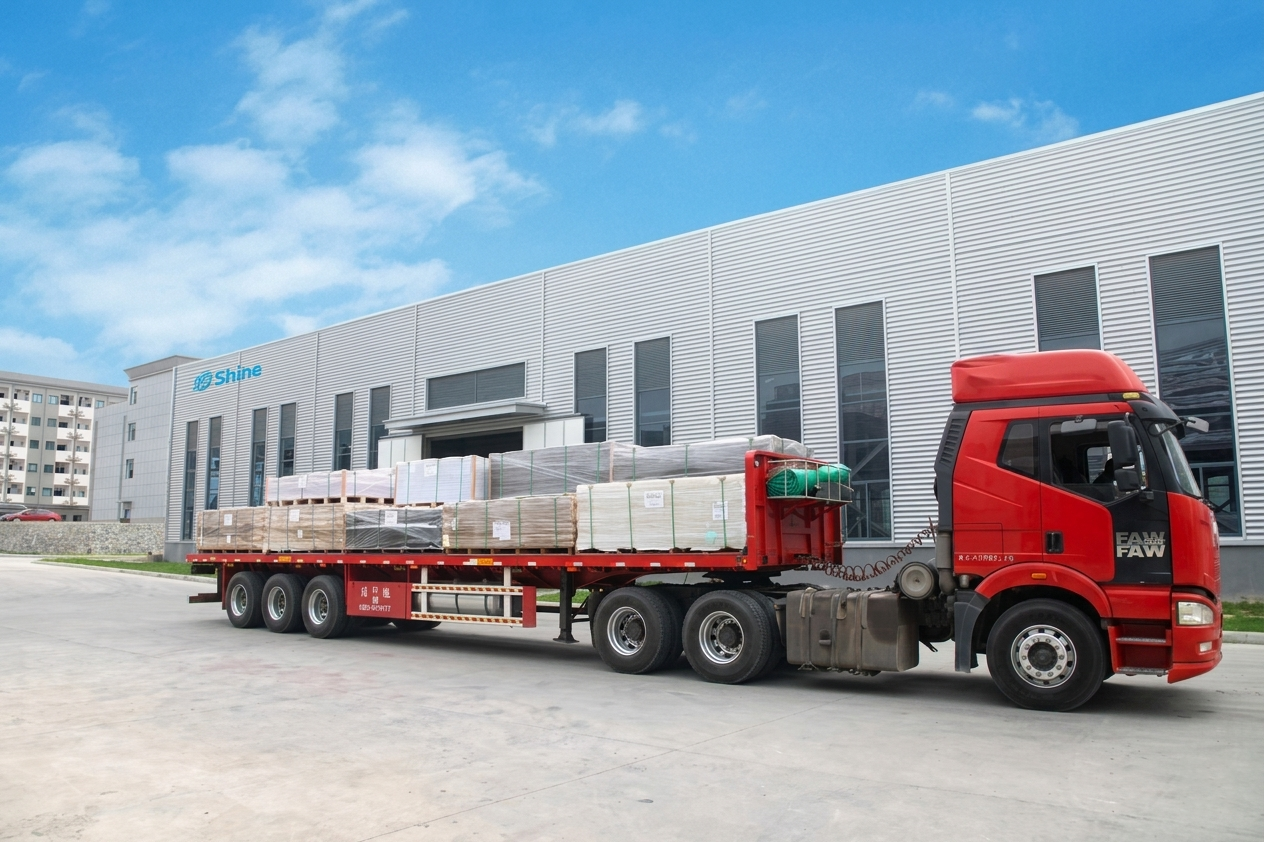
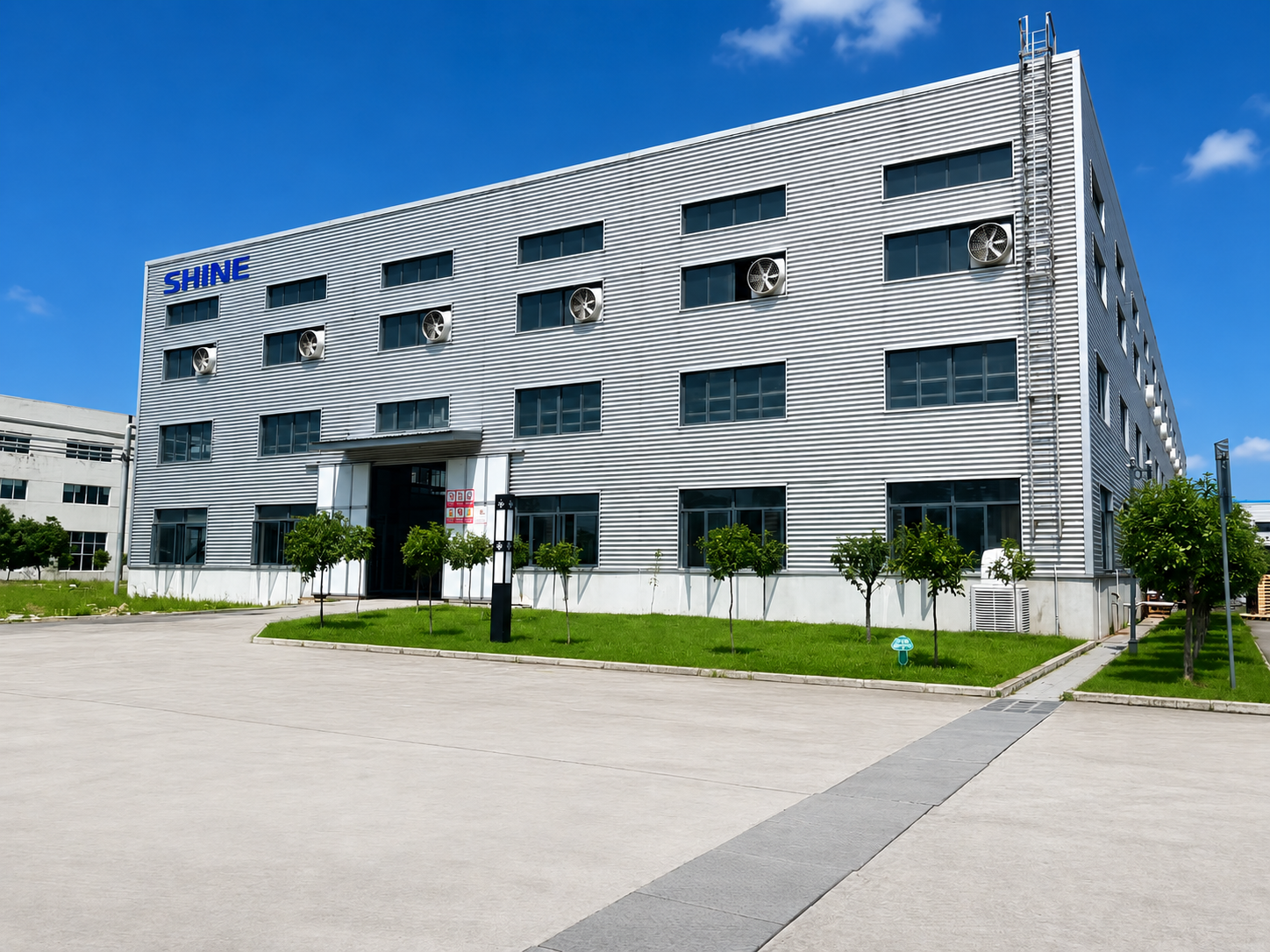
Shine Manufacturing Facility
Frequently Asked Questions
Answers to frequently asked questions about Shine products and services.
Can PVC foam board be used as a structural component in exhibition stands?
How many times can a PVC foam board exhibition stand be reused?
Can PVC foam board be bent into curved display shapes?
What is a practical way to join PVC panels in a demountable display?
How does PVC foam board compare with MDF for exhibition booth walls?
How should printed PVC foam board panels be stored between exhibitions?
Is PVC foam board suitable for outdoor exhibition and event use?
Take the Next Step
Pick the option that matches your stage in the decision process.